Nos Découvertes
Quand la décontamination ne suffit pas : contamination ADN invisible dans les bouteilles Niskin
Menacée dans son aire d’origine, émergente ailleurs : le cas d’Unio carneus dans les rivières françaises.
Révéler les Évolutions de la Biodiversité Grâce au Suivi ADNe en Temps Réel en Guyane Française
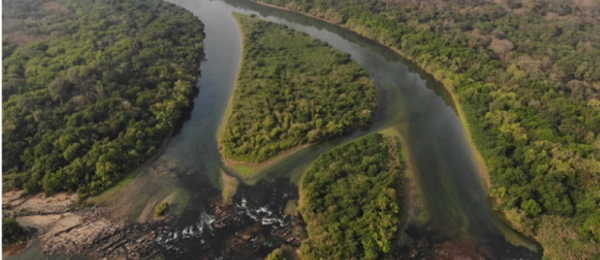
Révéler le Fleuve Corubal Comme un Hotspot Unique de Biodiversité Grâce à une Enquête ADNe Rapide
Nos Publications
Nos principales publications scientifiques sur l’ADN environnemental.
Deremarque, T. et al. (2024) Ease and Limitations in Using Environmental DNA to Track the Spread of Invasive Host–Parasite Complexes: A Case Study of the Freshwater Fish Pseudorasbora parva and the Cryptic Fungal Parasite Sphaerothecum destruens. Fishes 9, 477
Pichot, F. et al. (2024) Mediterranean Islands as Refugia for Elasmobranch and Threatened Fishes. Divers. Distrib. DOI: 10.1111/ddi.13937
Feng, K. et al. (2024) Composition, divergence and variability: A comprehensive analysis of fish trait responses to connectivity. Ecol. Indic. 167, 112670
Mathon, L. et al. (2024) Three-dimensional conservation planning of fish biodiversity metrics to achieve the deep-sea 30×30 conservation target. Conserv. Biol. DOI: 10.1111/cobi.14368
Halabowski, D. et al. (2024) Off the conservation radar: the hidden story of Europe’s tiny pea clams (Bivalvia: Sphaeriidae). Biodivers. Conserv. DOI: 10.1007/s10531-024-02921-x
Tourneur, J. et al. (2024) Bivalves des étangs des Espaces naturels sensibles du Maine-et-Loire : diversité et étude pilote sur la détection par analyse de l’ADNe. Naturae 2024
Lopes-Lima, M. et al. (2024) Rapid eDNA survey reveals a unique biodiversity hotspot: The Corubal River, West Africa. BioScience DOI: 10.1093/biosci/biae036
Jaquier, M. et al. (2024) Environmental DNA recovers fish composition turnover of the coral reefs of West Indian Ocean islands. Ecol. Evol. 14, e11337
Haderlé, R. et al. (2024) eDNA-based survey of the marine vertebrate biodiversity off the west coast of Guadeloupe (French West Indies). Biodivers. Data J. 12, e125348
Macé, B. et al. (2024) The Tree of Life eDNA metabarcoding reveals a similar taxonomic richness but dissimilar evolutionary lineages between seaports and marine reserves. Mol. Ecol. DOI: 10.1111/mec.17373
Manel, S. et al. (2024) Benchmarking fish biodiversity of seaports with eDNA and nearby marine reserves. Conserv. Lett. 17
Erős, T. et al. (2024) eDNA metabarcoding reveals the role of habitat specialization and spatial and environmental variability in shaping diversity patterns of fish metacommunities. PLOS ONE 19, e0296310
Lefrancois, E. et al. (2024) Validation of an eDNA-based method for surveying fish and crustacean communities in the rivers of the French West Indies. Hydrobiologia DOI: 10.1007/s10750-024-05476-8
Baletaud, F. et al. (2023) Comparing Seamounts and Coral Reefs with eDNA and BRUVS Reveals Oases and Refuges on Shallow Seamounts. Biology 12, 1446
Veron, P. et al. (2023) Environmental DNA complements scientific trawling in surveys of marine fish biodiversity. ICES J. Mar. Sci. DOI: 10.1093/icesjms/fsad139
Cantera, I. et al. (2023) Deforestation strengthens environmental filtering and competitive exclusion in Neotropical streams and rivers. Proc. R. Soc. B 290, 20231130
Lamperti, L. et al. (2023) New deep learning‐based methods for visualizing ecosystem properties using environmental DNA metabarcoding data. Mol. Ecol. Resour. DOI: 10.1111/1755-0998.13861
Zong, S. et al. (2023) Combining environmental DNA with remote sensing variables to map fish species distributions along a large river. Remote Sens. Ecol. Conserv. DOI: 10.1002/rse2.366
Marques, V. et al. (2023) Environmental drivers of eukaryotic plankton and fish biodiversity in an Arctic fjord. Polar Biol. DOI: 10.1007/s00300-023-03187-9
Chacko, M.R. et al. (2023) Catchment-based sampling of river eDNA integrates terrestrial and aquatic biodiversity of alpine landscapes. Oecologia DOI: 10.1007/s00442-023-05428-4
Hervé, A. et al. (2023) Do temperature and population size structure influence the quantity of fish eDNA in water? . 11
Rey, A. et al. (2023) Coastal rocky reef fish monitoring in the context of the Marine Strategy Framework Directive: Environmental DNA metabarcoding complements underwater visual census. Ocean Coast. Manag. 241, 106625
Mathon, L. et al. (2023) The distribution of coastal fish eDNA sequences in the Anthropocene. Global Ecol Biogeogr DOI: 10.1111/geb.13698
Prié, V. et al. (2023) Conservation assessment based on large-scale monitoring of eDNA: Application to freshwater mussels. Biological Conservation 283, 110089
Condachou, C. et al. (2023) Inferring functional diversity from environmental DNA metabarcoding. Environ Dna DOI: 10.1002/edn3.391
Staentzel, C. et al. (2023) Trophic impact of Neogobius melanostomus in a restored site on the Old Rhine River (France). Aquatic Sciences 85, 46
Aucone, E. et al. (2023) Drone-assisted collection of environmental DNA from tree branches for biodiversity monitoring. Sci Robotics 8, eadd5762
Coutant, O. et al. (2022) Environmental DNA reveals a mismatch between diversity facets of Amazonian fishes in response to contrasting geographical, environmental and anthropogenic effects. Global Change Biol DOI: 10.1111/gcb.16533
Dalongeville, A. et al. (2022) Benchmarking eleven biodiversity indicators based on environmental DNA surveys: More diverse functional traits and evolutionary lineages inside marine reserves. J Appl Ecol DOI: 10.1111/1365-2664.14276
Hervé, A. et al. (2022) Spatio-temporal variability of eDNA signal and its implication for fish monitoring in lakes. Plos One 17, e0272660
Juhel, J. et al. (2022) Estimating the extended and hidden species diversity from environmental DNA in hyper‐diverse regions. Ecography 2022
Li, Z. et al. (2022) Phylogenetic diversity only weakly mitigates climate‐change‐driven biodiversity loss in insect communities. Mol Ecol DOI: 10.1111/mec.16747
Meulenbroek, P. et al. (2022) Sturgeons in large rivers: detecting the near-extinct needles in a haystack via eDNA metabarcoding from water samples. Biodivers Conserv 31, 2817–2832
Muff, M. et al. (2022) Environmental DNA highlights fish biodiversity in mesophotic ecosystems. Environ Dna DOI: 10.1002/edn3.358
Polanco, A. et al. (2022) Ecological indices from environmental DNA to contrast coastal reefs under different anthropogenic pressures. Ecol Evol 12
Pont, D. et al. (2022) Quantitative monitoring of diverse fish communities on a large scale combining eDNA metabarcoding and qPCR. Mol Ecol Resour DOI: 10.1111/1755-0998.13715
Flück, B. et al. (2022) Applying convolutional neural networks to speed up environmental DNA annotation in a highly diverse ecosystem. Sci Reports 12, 10247
Cantera, I. et al. (2022) Low level of anthropization linked to harsh vertebrate biodiversity declines in Amazonia. Nat Commun 13, 3290
Sanchez, L. et al. (2022) Ecological indicators based on quantitative eDNA metabarcoding: the case of marine reserves. Ecol Indic 140, 108966
Rozanski, R. et al. (2022) Disentangling the components of coastal fish biodiversity in southern Brittany by applying an environmental DNA approach. Environ Dna DOI: 10.1002/edn3.305
Mathon, L. et al. (2022) Cross-ocean patterns and processes in fish biodiversity on coral reefs through the lens of eDNA metabarcoding. Proc Royal Soc B 289, 20220162
Macé, B. et al. (2022) Evaluating bioinformatics pipelines for population‐level inference using environmental DNA. Environ Dna DOI: 10.1002/edn3.269
Cantera, I. et al. (2022) Characterizing the spatial signal of environmental DNA in river systems using a community ecology approach. Mol Ecol Resour DOI: 10.1111/1755-0998.13544
Martin, J. et al. (2021) A comparison of visual observation and DNA metabarcoding to assess the diet of juvenile sea turtle Caretta caretta in the French Mediterranean sea. Mar Freshwater Res DOI: 10.1071/mf21179
Bruce, K. et al. (2021). A practical guide to DNA-based methods for biodiversity assessment. , Advanced Books. https://doi.org/10.3897/ab.e68634
Stauffer, S. et al. (2021) How many replicates to accurately estimate fish biodiversity using environmental DNA on coral reefs? Ecol Evol doi:10.1002/ece3.8150.
Polanco-Fernandez, A. et al. (2021) Detecting aquatic and terrestrial biodiversity in a tropical estuary using environmental DNA. Biotropica DOI: 10.1111/btp.13009
Nogueira, J.G. et al. (2021) Alarming decline of freshwater trigger species in western Mediterranean key biodiversity areas. Conserv Biol DOI: 10.1111/cobi.13810
Polanco-Fernandez, A. et al. (2021) Comparing the performance of 12S mitochondrial primers for fish environmental DNA across ecosystems. Environ Dna DOI: 10.1002/edn3.232
Marques, V. et al. (2021) Use of environmental DNA in assessment of fish functional and phylogenetic diversity. Conserv Biol DOI: 10.1111/cobi.13802
Czeglédi, I. et al. (2021) Congruency between two traditional and eDNA-based sampling methods in characterising taxonomic and trait-based structure of fish communities and community-environment relationships in lentic environment. Ecol Indic 129, 107952
Leandro, C. et al. (2021) A novel trap design for non-lethal monitoring of dung beetles using eDNA metabarcoding. J Insect Conserv DOI: 10.1007/s10841-021-00329-4
Lyet, A. et al. (2021) eDNA sampled from stream networks correlates with camera trap detection rates of terrestrial mammals. Sci Reports 11, 11362
Mathon, L. et al. (2021) Benchmarking bioinformatic tools for fast and accurate eDNA metabarcoding species identification. Mol Ecol Resour DOI: 10.1111/1755-0998.13430
Boulanger, E. et al. (2021) Environmental DNA metabarcoding reveals and unpacks a biodiversity conservation paradox in Mediterranean marine reserves. Proc Royal Soc B 288, 20210112
Coutant, O. et al. (2021) Amazonian mammal monitoring using aquatic environmental DNA. Mol Ecol Resour 21, 1875–1888
Prié, V. et al. (2021) Cinq ans d’inventaires des Bivalves de France par analyse de l’ADN environnemental : quelles conclusions, quelles perspectives ? Naturae DOI: 10.5852/naturae2021a8
Mena, J.L. et al. (2021) Environmental DNA metabarcoding as a useful tool for evaluating terrestrial mammal diversity in tropical forests. Ecol Appl DOI: 10.1002/eap.2335
Marques, V. et al. (2021) GAPeDNA: Assessing and mapping global species gaps in genetic databases for eDNA metabarcoding. Divers Distrib DOI: 10.1111/ddi.13142
Juhel, J. et al. (2021) Detection of the elusive Dwarf sperm whale (Kogia sima) using environmental DNA at Malpelo island (Eastern Pacific, Colombia). Ecol Evol DOI: 10.1002/ece3.7057
Ficetola, G.F. et al. (2021) Comparison of markers for the monitoring of freshwater benthic biodiversity through DNA metabarcoding. Mol Ecol 30, 3189–3202
Milhau, T. et al. (2021) Seasonal dynamics of riverine fish communities using eDNA. J Fish Biol 98, 387–398
Pont, D. et al. (2021) The future of fish‐based ecological assessment of European rivers: from traditional EU Water Framework Directive compliant methods to eDNA metabarcoding‐based approaches. J Fish Biol 98, 354–366
Prié, V. et al. (2021) Environmental DNA metabarcoding for freshwater bivalves biodiversity assessment: methods and results for the Western Palearctic (European sub-region). Hydrobiologia DOI: 10.1007/s10750-020-04260-8
Juhel, J.-B. et al. (2020) Accumulation curves of environmental DNA sequences predict coastal fish diversity in the coral triangle. Proc Biological Sci 287, 20200248
Combe, M. et al. (2020) Are all Buruli ulcers caused by Mycobacterium ulcerans? Brit J Dermatol 183, 968–970
Marques, V. et al. (2020) Blind assessment of vertebrate taxonomic diversity across spatial scales by clustering environmental DNA metabarcoding sequences. Ecography DOI: 10.1111/ecog.05049
Polanco-Fernández, A. et al. (2020) Comparing environmental DNA metabarcoding and underwater visual census to monitor tropical reef fishes. Environ Dna DOI: 10.1002/edn3.140
Coutant, O. et al. (2020) Detecting fish assemblages with environmental DNA: Does protocol matter? Testing eDNA metabarcoding method robustness. Environ Dna DOI: 10.1002/edn3.158
Mariani, G. et al. (2020) Let more big fish sink: Fisheries prevent blue carbon sequestration—half in unprofitable areas. Sci Adv 6, eabb4848
Lopes, C.M. et al. (2020) Lost and found: frogs in a biodiversity hotspot rediscovered with environmental DNA. Mol Ecol DOI: 10.1111/mec.15594
Dufresnes, C. et al. (2020) Monitoring of the last stronghold of native pool frogs (Pelophylax lessonae) in Western Europe, with implications for their conservation. Eur J Wildlife Res 66, 45
Meyer, A. et al. (2020) Morphological vs. DNA metabarcoding approaches for the evaluation of stream ecological status with benthic invertebrates: testing different combinations of markers and strategies of data filtering. Mol Ecol DOI: 10.1111/mec.15723
Linard, B. et al. (2020) PEWO: a collection of workflows to benchmark phylogenetic placement. Bioinformatics DOI: 10.1093/bioinformatics/btaa657
Scholz, G.E. et al. (2020) Rapid screening and detection of inter-type viral recombinants using Phylo-K-Mers. Bioinformatics 36, btaa1020-
Sluijs, A.S.‐ van der et al. (2020) Using environmental DNA for detection of Batrachochytrium salamandrivorans in natural water. Environ Dna DOI: 10.1002/edn3.86
Murienne, J. et al. (2019) Aquatic eDNA for monitoring French Guiana biodiversity. Biodivers Data J 7, e37518
Vimercati, G. et al. (2019) Assessing the effect of landscape features on pond colonisation by an elusive amphibian invader using environmental DNA. Freshwater Biol 65, 502–513
Dufresnes, C. et al. (2019) Early detection and spatial monitoring of an emerging biological invasion by population genetics and environmental DNA metabarcoding. Conservation Sci Pract 1,
Miaud, C. et al. (2019) eDNA Increases the Detectability of Ranavirus Infection in an Alpine Amphibian Population. Viruses DOI: 10.3390/v11060526
Cantera, I. et al. (2019) Optimizing environmental DNA sampling effort for fish inventories in tropical streams and rivers. Sci Reports 9, 3085
Cilleros, K. et al. (2019) Unlocking biodiversity and conservation studies in high‐diversity environments using environmental DNA (eDNA): A test with Guianese freshwater fishes. Mol Ecol Resour 19, 27–46
Pont, D. et al. (2018) Environmental DNA reveals quantitative patterns of fish biodiversity in large rivers despite its downstream transportation. Sci Reports 8, 10361
Guillerault, N. et al. (2017) Application of DNA metabarcoding on faeces to identify European catfish Silurus glanis diet. J Fish Biol 90, 2214–2219
Lopes, C.M. et al. (2017) eDNA metabarcoding: a promising method for anuran surveys in highly diverse tropical forests. Mol Ecol Resour 17, 904–914
Sasso, T. et al. (2017) Environmental DNA characterization of amphibian communities in the Brazilian Atlantic forest: Potential application for conservation of a rich and threatened fauna. Biol Conserv 215, 225–232
Lan, T. et al. (2017) Evolutionary history of enigmatic bears in the Tibetan Plateau–Himalaya region and the identity of the yeti. Proc Royal Soc B Biological Sci 284, 20171804
Secondi, J. et al. (2016) Detection of a global aquatic invasive amphibian, Xenopus laevis, using environmental DNA. Amphibia-reptilia 37, 131–136
Schneider, J. et al. (2016) Detection of Invasive Mosquito Vectors Using Environmental DNA (eDNA) from Water Samples. Plos One 11, e0162493
Leese, F. et al. (2016) DNAqua-Net: Developing new genetic tools for bioassessment and monitoring of aquatic ecosystems in Europe. Res Ideas Outcomes 2, e11321
Tesson, S.V.M. et al. (2016) Integrating microorganism and macroorganism dispersal: modes, techniques and challenges with particular focus on co-dispersal. Écoscience 22, 109–124
Miaud, C. et al. (2016) Invasive North American bullfrogs transmit lethal fungus Batrachochytrium dendrobatidis infections to native amphibian host species. Biol Invasions 18, 2299–2308
Valentini, A. et al. (2016) Next‐generation monitoring of aquatic biodiversity using environmental DNA metabarcoding. Mol Ecol 25, 929–942
Civade, R. et al. (2016) Spatial Representativeness of Environmental DNA Metabarcoding Signal for Fish Biodiversity Assessment in a Natural Freshwater System. Plos One 11, e0157366
Elbrecht, V. et al. (2016) Testing the potential of a ribosomal 16S marker for DNA metabarcoding of insects. Peerj 4, e1966
Bellemain, E. et al. (2016) Trails of river monsters: Detecting critically endangered Mekong giant catfish Pangasianodon gigas using environmental DNA. Global Ecol Conservation 7, 148–156
Biggs, J. et al. (2015) Using eDNA to develop a national citizen science-based monitoring programme for the great crested newt (Triturus cristatus). Biol Conserv 183, 19–28
Tréguier, A. et al. (2014) Environmental DNA surveillance for invertebrate species: advantages and technical limitations to detect invasive crayfish Procambarus clarkii in freshwater ponds. Journal of Applied Ecology 51, 871–879
Giampaoli, S. et al. (2014) The environmental biological signature: NGS profiling for forensic comparison of soils. Forensic Sci Int 240, 41–47
Dejean, T. et al. (2012) Improved detection of an alien invasive species through environmental DNA barcoding: the example of the American bullfrog Lithobates catesbeianus. J Appl Ecol 49, 953–959
Dejean, T. et al. (2011) Persistence of Environmental DNA in Freshwater Ecosystems. Plos One 6, e23398