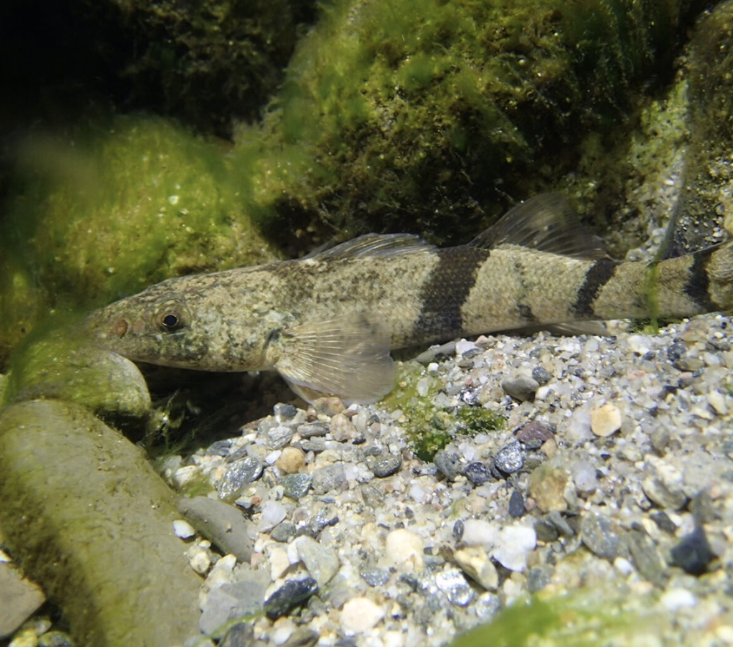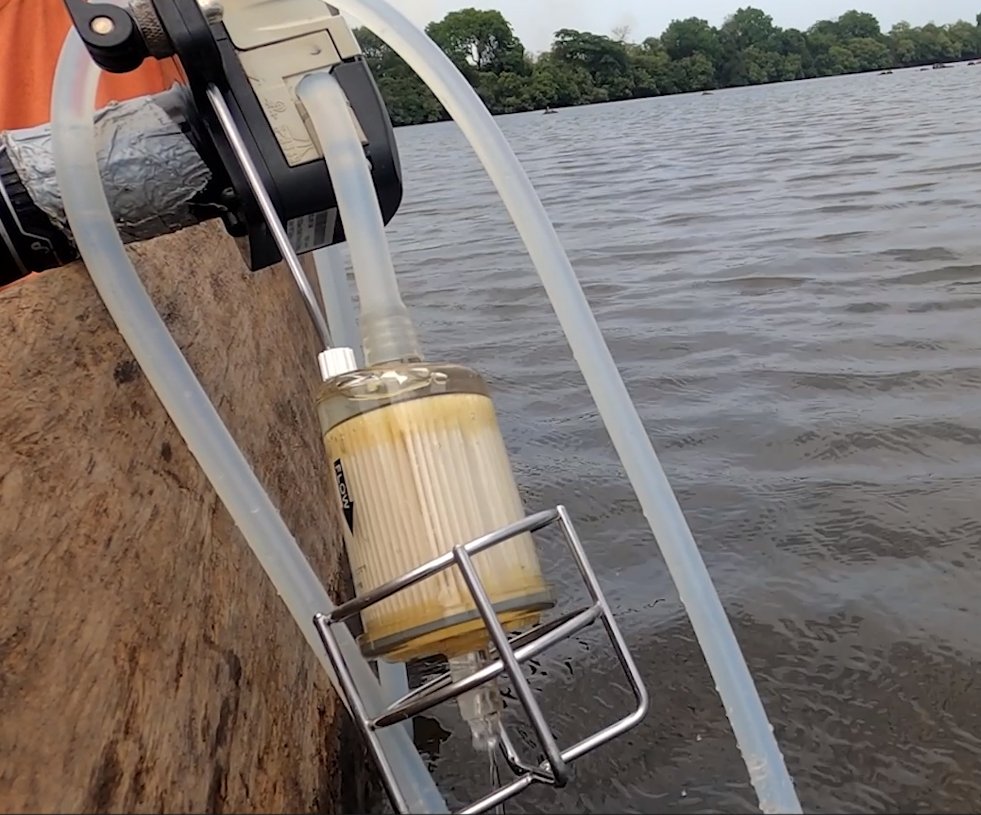
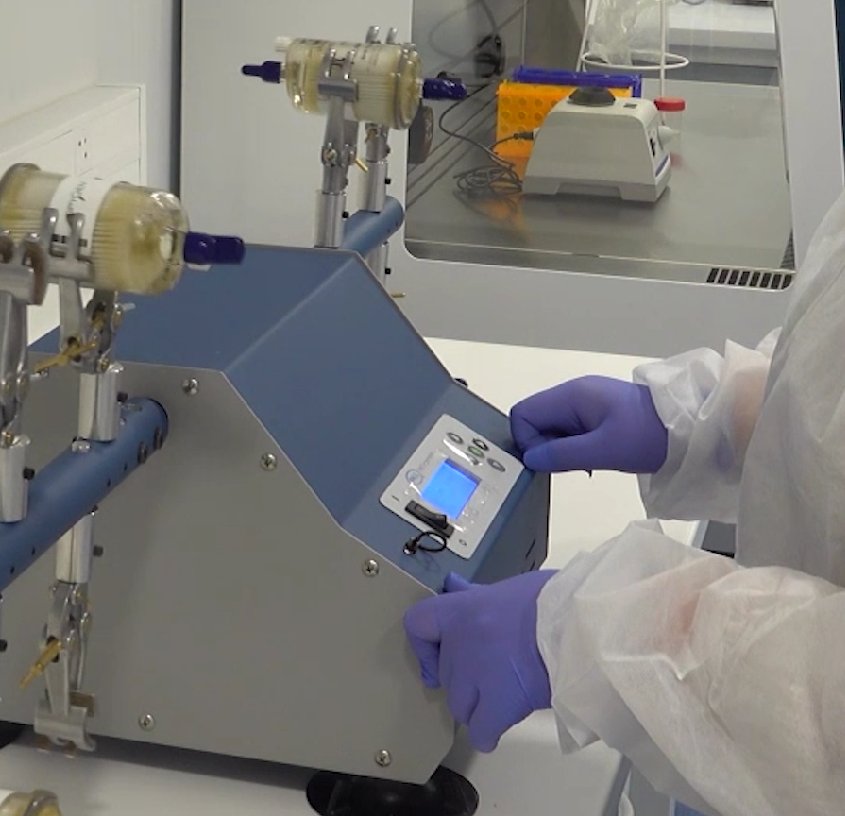
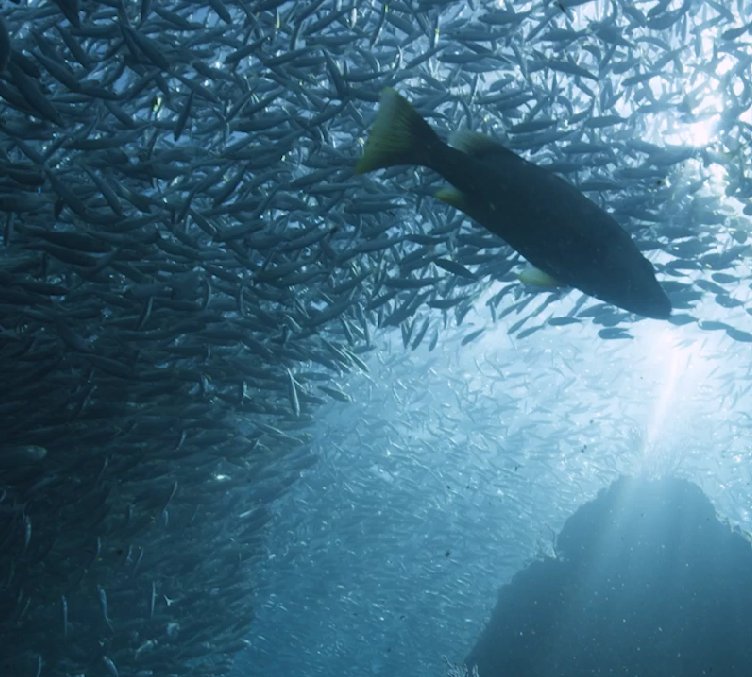
30 Litersof water filtered per sample along transects
×12PCR replicates
Up to 1Msequencing reads (fish)

Whether you’re building a biodiversity baseline, monitoring a protected area, or assessing environmental impact, your results are only as strong as your protocol.

3 KEY ELEMENTS FOR A ROBUST AND RELIABLE eDNA PROTOCOL
Sampling strategy
01

Sampling strategy

High-capacity filters
30 liters of water per filter
Transect-based sampling
PCR replicates
02

PCR replicates

12 replicates per sample
High-performance primers
Sequencing depth
03

Sequencing depth

Marine fish: 1M reads
Freshwater fish: 500K reads
1

Sampling strategy — Volume matters, the more water you filter, the more DNA you collect. But so does how you collect, always filter while moving along transects, integrating water from multiple microhabitats.

Spygen protocol  · 2 high-capacity filters (1 field replicate) · Total of 60 liters of water filtered · Moving along transects
2

Number of PCR replicates — Target DNA must be amplified to be detected. Increasing the number of PCR replicates multiplies amplification efforts, improving detection probability, especially when paired with Spygen’s high-performance primers.

Spygen protocol  · 12 PCR replicates per sample  ·  High-performance primers
3

Sequencing depth — The more DNA strands you analyse or read, the greater your chances of detecting rare or low-abundance species.

Spygen protocol  · 1 million / 500K reads — marine / freshwater fish
Make sure you choose the right provider for your project.

↓   Full breakdown of each element

1

Sampling strategy

eDNA is highly localized and unevenly distributed. Volume matters — the more water you filter, the more DNA you collect from your site. But so does how you collect — we filter while moving along transects, integrating water from multiple microhabitats rather than taking a static sample from one point.

Common mistake
Low filtration volume (e.g. 2–5 L per filter) from a fixed point. High risk of missing low-abundance species and species present just metres away.
Best practice
High-capacity filters (30 L per filter ×2 (1 field replicate), 60 liters in total), moving transects, multi-microhabitat coverage.
Think of it this way
Think of it like photographing animals on a safari: you’ll capture much greater diversity and gain a more complete picture of the local biodiversity if you spend more time moving through different areas than if you stay in one spot for a short time hoping animals cross your path.
2

Number of PCR replicates

The DNA of your target biological groups needs to be amplified in order to be detected. We rely on PCR (Polymerase Chain Reaction) — a molecular photocopier that multiplies the DNA fragments we’re interested in. Using 12 PCR replicates, as we do at Spygen, means amplifying your sampled DNA in 12 independent subsamples. Due to the natural variability in PCR and the heterogeneous distribution of rare DNA, a species present at low concentration may fail to amplify in one reaction but succeed in another.

Common mistake
Low number of replicates — species detected in only 3 to 4 reactions out of Spygen’s 12 may be missed entirely with fewer attempts.
Best practice
More replicates mean higher detection probability. With 12 attempts, we maximise the chance of detecting everything that’s truly there.
Think of it this way
Think of it like casting a fishing net: more casts equals a higher chance of catching what’s really there, especially if it’s rare. The number of PCR replicates is critical for detecting rare, threatened, or invasive species — especially when paired with Spygen’s high-performance primers for maximum efficiency.
3

Sequencing depth

This is what drives detection power — and it works just like statistics. The more DNA strands you sequence (i.e. the more DNA strands you analyse or read), the greater your chances of detecting rare or low-abundance species.

Common mistake
With fewer reads (e.g. 100,000) you may have coverage for abundant species, but rare species may not appear or be difficult to distinguish from background noise.
Best practice
Up to 1 million reads per sample for marine environments and up to 500,000 for freshwater — giving statistically confident detection even for low-abundance species.
Think of it this way
It’s the difference between standard binoculars and a high-powered telescope. Both let you see — but only one reveals the faintest objects.

Usecases

What happens when the protocol is not robust?

We compared Spygen’s protocol with a basic protocol. The difference was significant.

Spygen  ·  30 liters of water filtered per filter along transects · 12 PCR replicates · 1M/500K reads

Basic protocol  ·  2 liters of water filtered per filter · 8 PCR replicates · 100K reads for fish

40%
of marine species went undetected with the basic protocol
Dive into the marine findings →
33%
of freshwater species went undetected with the basic protocol
Dive into the freshwater findings →
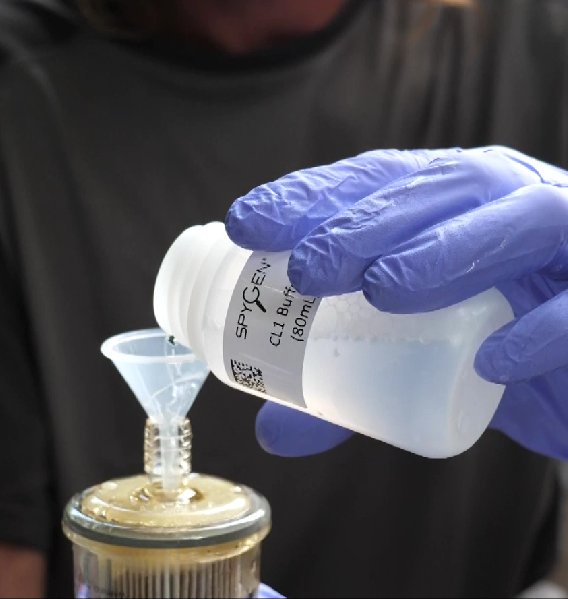
Spygen lab sampling

As an environmental professional or researcher, you cannot afford to miss species of regulatory or conservation concern — or to make decisions based on weak or inconsistent data that won’t hold up over time or across different campaigns.

Book a call with our experts →

Digital Training · Module 1

Become an expert in these 3 key elements
In just 10 minutes, for free

Access module 1 of our Digital Training and get up to speed on what separates a robust eDNA protocol from a basic one.

Choose your environment

Marine eDNA
Marine eDNA - Short video
Spygen Digital Training Watch on YouTube →
Freshwater eDNA
Freshwater eDNA - Short video
Spygen Digital Training Watch on YouTube →

Want to know if your current protocol meets these standards?

Book a call with our team →

The Spygen team