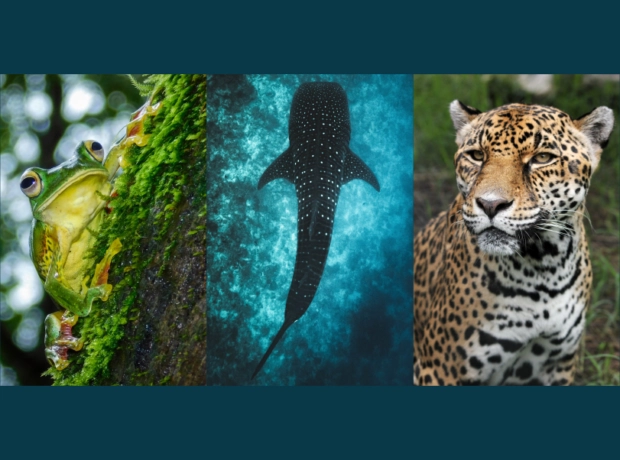
Biological Groups & Organisms


Our Offer
Comprehensive Biodiversity Inventory
Unlock a complete view of biodiversity with SPYGEN’s cutting-edge eDNA metabarcoding approach. Our biodiversity inventories are the most robust and exhaustive on the market, supported by one of the largest private reference database available in the industry.
Ideal for monitoring key taxonomic groups in marine ecosystems, this powerful solution identifies all species within a target group – including rare species, elusive and emerging invasive species – providing an essential tool for effective ecosystem assessment, conservation, research and impact reporting.
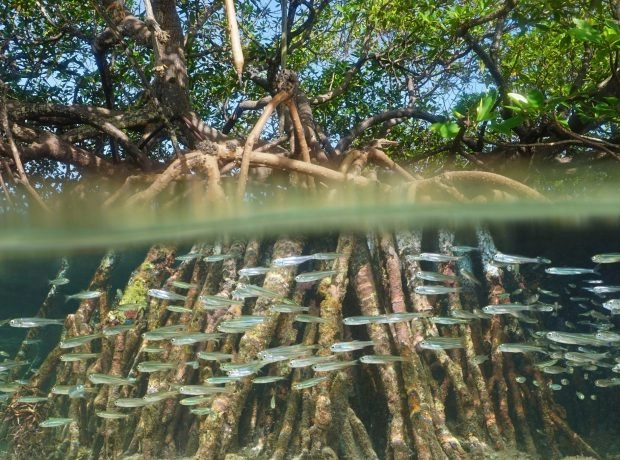
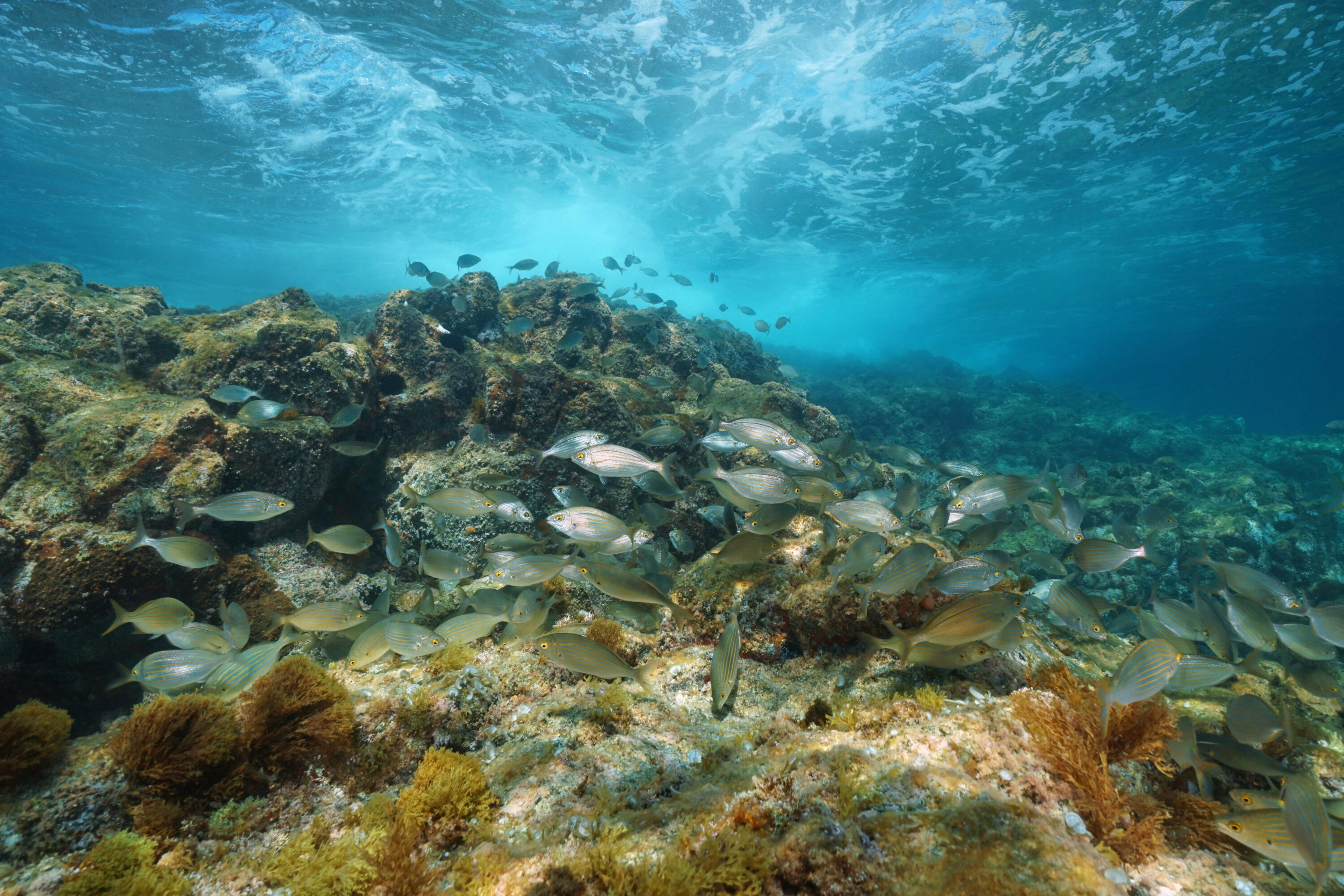
Since almost a decade, we have successfully analyzed eDNA samples from thousands of locations spanning all the world’s marine ecosystems, including mangrove forests, coral reefs, lagoons, estuaries, seagrass meadows, and the largest of all, the deep-sea.
Rare Species Detection
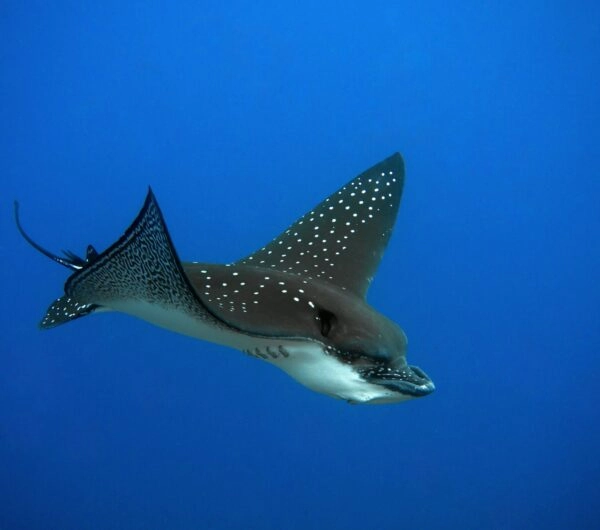
SPYGEN’s multi-patented eDNA technology aims to set the standard for detecting a wide range of species, including the rarest ones. While most companies focus on common eDNA for abundant species monitoring, SPYGEN has pioneered precision eDNA from the start.
This specialized approach demands rigorous technical protocols both in the field and in the lab. Thanks to our advanced methodology and state-of-the-art technology, SPYGEN is a global leader in rare species eDNA detection.
Invasive Species Detection
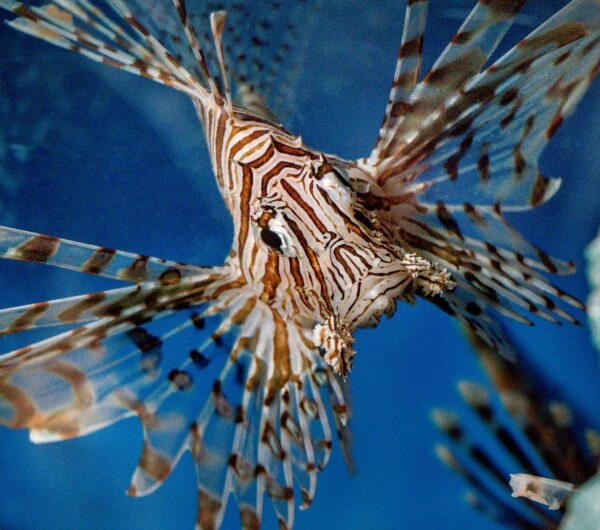
eDNA technology significantly enhances the early detection of invasive species. Compared to traditional methods, eDNA can identify invasive individuals across more sites at a lower cost.
This early detection capability allows fast corrective action and hence helps mitigate potential ecological damage, as invasive species can quickly disrupt habitats and displace native species. eDNA-powered monitoring programs provide early detection of invasive species and hence enable faster and more effective responses to manage and even, in some cases, prevent invasions.
Next-Generation Marine eDNA Monitoring
SPYGEN & University of Montpellier Invest €1.3M
SPYGEN is participating in a 4-year Industrial Chair awarded by the French National Research Agency following a highly competitive selection process. This Chair is conducted in partnership with the University of Montpellier (MARBEC and CEFE) and focuses on the development of next-generation solutions for marine biodiversity monitoring based on eDNA.
With a total investment of €1.3 million, the Chair aims to combine molecular ecology, artificial intelligence, advanced robotics, and satellite data to enhance the monitoring of marine ecosystems, by relying on more comprehensive biodiversity inventories, more relevant ecological indicators, and more robust environmental modelling. As a pioneer in eDNA technologies, SPYGEN plays a central role by driving technological innovation, developing operational tools, and translating scientific advances into solutions tailored to marine stakeholders, including marine protected areas, offshore infrastructures, ports and marine resource managers.
More information available on the ANR website.
Field Sampling Methods
Overview of Marine Environment Field Sampling Methods
The sampling protocol is a vital part of the eDNA analysis process. An effectively designed protocol greatly enhances the quantity of eDNA collected from the environment, resulting in more precise results.
In aquatic settings, we always conduct 2 sample replicates at each location, and particularly in marine contexts, in each replicate we filter 30 liters of water in coastal areas and 60 liters in offshore areas, with sampling stations typically established every 2 to 5 kilometers (depending on various environmental conditions) to ensure accurate biodiversity assessments.
We are ready to assist you in creating the right protocol for your project, factoring in potential constraints and environmental specificities while keeping an eye on your final objectives. Please do not hesitate to contact us for guidance.
Field Sampling in Coastal Marine Environments
In coastal waters, defined as no further than 6 miles from the coast and less than 20 meters depth, we collect a minimum of 30 liters per filter, and sample with 2 filters, ensuring a field replicate, meaning at least 60 liters of water are filtered per transect. We advise to do linear transects that run parallel to the shore along the same depth contour, isobaths, covering different habitat types at that depth. This ensures your sampling is representative.
Linear transects can be up to a maximum length of 2.5 kilometers. During the entire transect, water is continuously filtered using 2 high-capacity filters. When the study objective is to focus on the biodiversity of a localized area, it is recommended to use circular transects around the point of interest and, more generally, to adapt the transect shape to the study objective.
Field Sampling in Offshore Marine Environments
In offshore waters, that we define as further than 6 miles from the coast, we collect a minimum of 60 liters per filter. Using 2 filters per transect to ensure a field replicate, this means that at least 120 liters of water are filtered per transect. This difference in the volume of water collected compensates for the lower DNA concentration typically found at offshore sites. Offshore transects are typically longer, ranging from 2.5 to 5 kilometers.
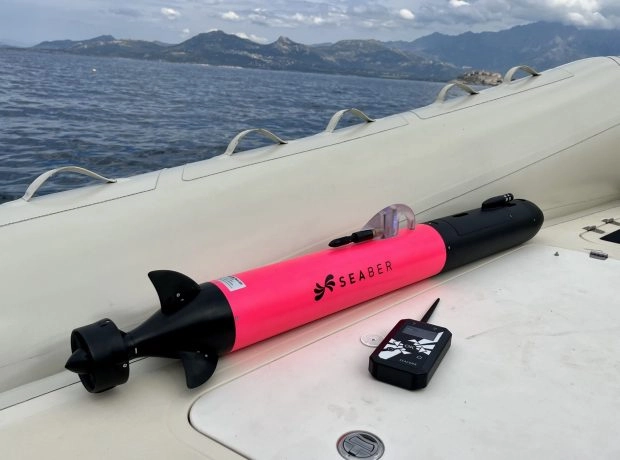
Because offshore waters are typically deeper than 20 meters, we recommend combining surface sampling with bottom sampling. Deep transects, close to the seafloor, utilize either our micro-AUV or a deep-water collection pump.
Field Sampling in Port Environments
Depending on the size of the site, sampling may be conducted through surface transects using a surface water collection pump from a slow-moving boat or, in very small areas that are accessible on foot, static sampling can be performed from the docks.
For example, in a small marina, the transect can cover the entire area, following the same coastal sampling protocol, 2 filters, each processing 30 liters of water, collected along a continuous path of approximately 200 to 500 meters around the inside of the structure. Here, the goal is not to describe pristine biodiversity, but to act as an early-warning system for non-indigenous species. Marinas are enclosed environments that act as DNA concentrators, but they also present multiple contamination sources.
You must avoid sampling near urban water outflows, fishing docks during unloading operations, and fish market stalls, as these areas carry high risks of detecting DNA from fished and consumed species rather than living populations. If your study design includes comparison with external waters, position some stations outside the marina as well.
Field Sampling in Offshore Wind Farms
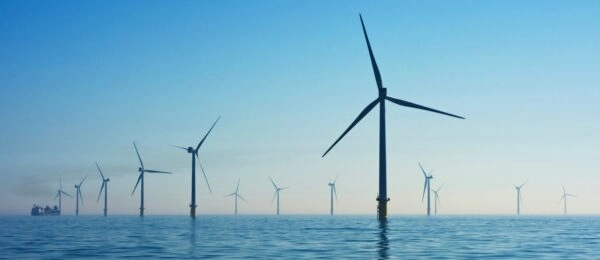
In offshore wind farms, as well as in other large human-made infrastructures, the study area is typically divided into 3 zones: treated, intermediate, and control. This allows for statistical comparisons and a clearer understanding of infrastructure-related impacts, while accounting for potential external or exogenous influences.
- Treated zones correspond to areas directly occupied by the infrastructure, in this case, the wind turbines.
- Intermediate zones are located between treated and control areas and are used to assess impact gradients.
- Control zones are positioned outside the influence of the infrastructure but share comparable environmental conditions, ensuring meaningful and reliable comparisons.
Within each of these zones, independent sampling areas can be established, in order to have a representative analysis of the different project zones.
Results are analysed over time and across the different stages of the infrastructure lifecycle, from pre-construction to decommissioning, to build an ecological impact assessment.
For infrastructures located in deeper waters, combining surface sampling with bottom sampling, using Spygen’s autonomous underwater vehicle or deep-water pump, provides a more complete picture of the biodiversity present at the site.