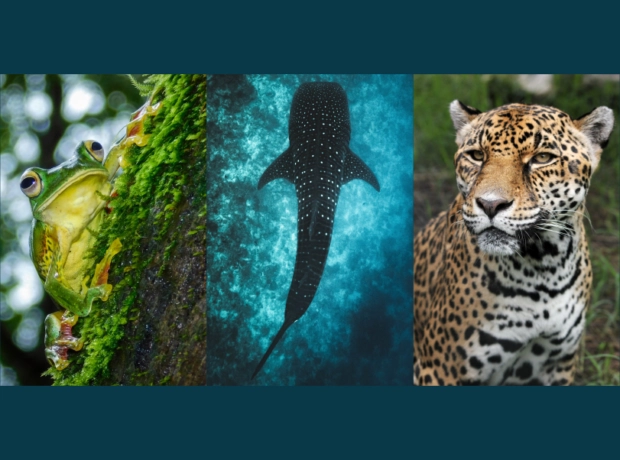
Biological Groups & Organisms

Our Offer
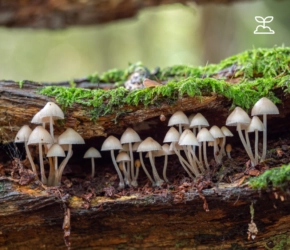
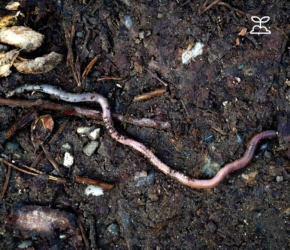
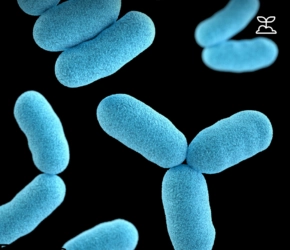
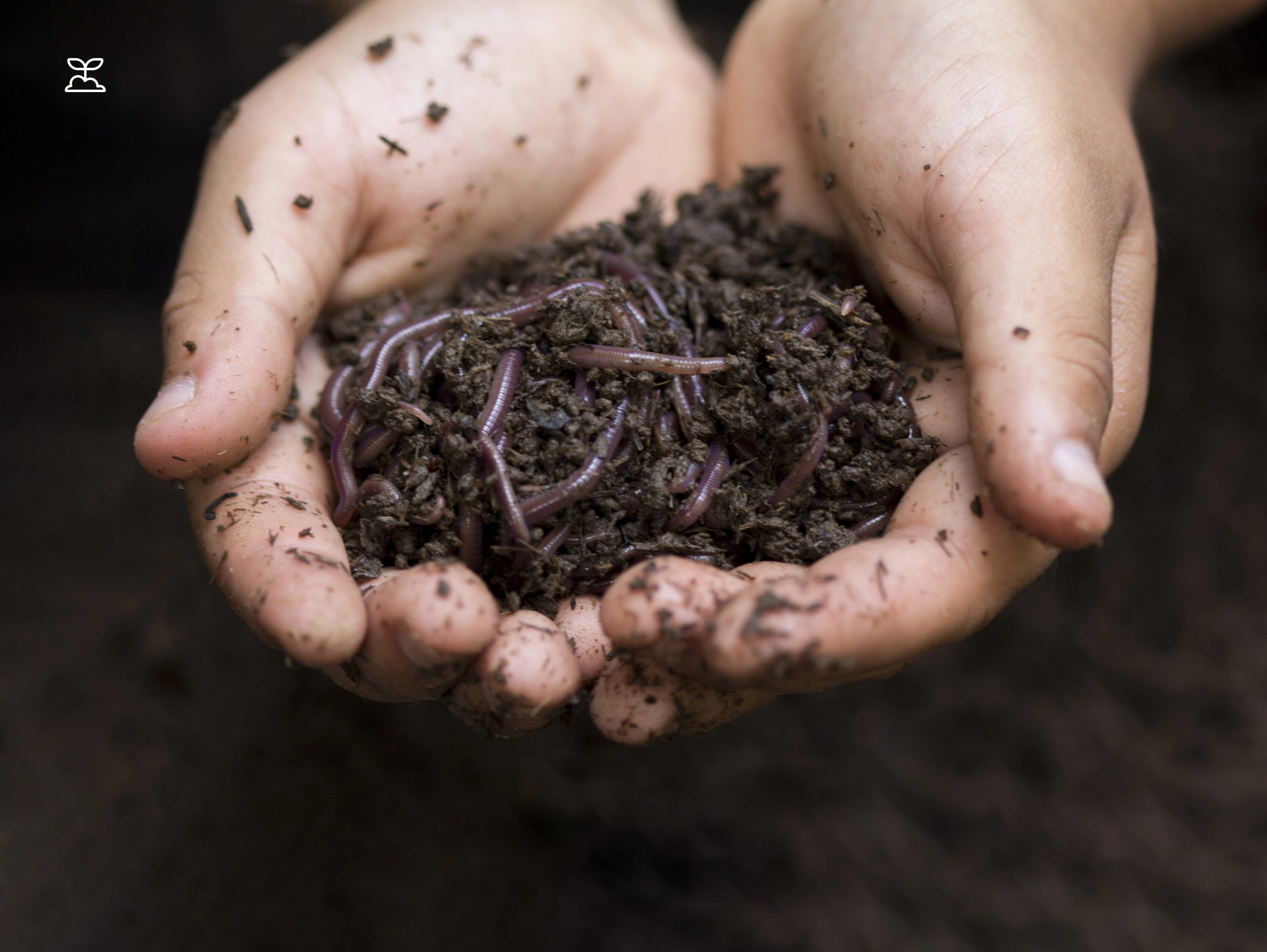
Soil Analysis
We provide biodiversity inventories for a diverse range of soil organisms, delivering valuable insights and applications for industries such as viticulture, regenerative agriculture, and more.

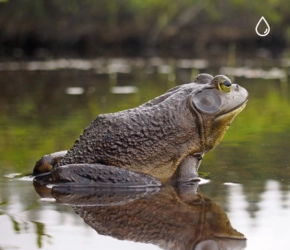
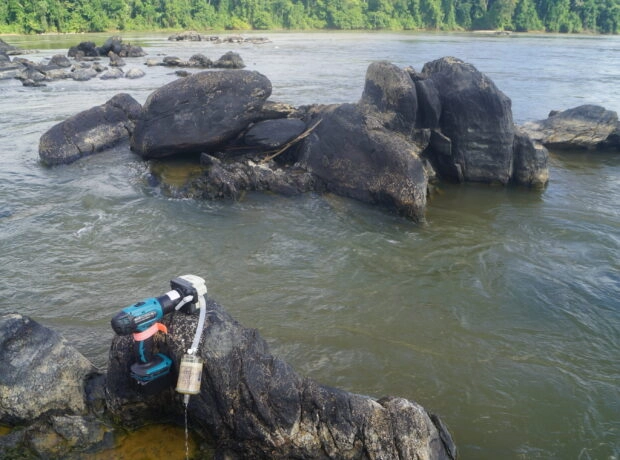
Waterbased Terrestrial Biodiversity Analysis
Leveraging our water-based technologies, we can help you gain valuable insights into the terrestrial biodiversity in the surrounding area.
Terrestrial animals frequently interact with freshwater sources (e.g. drinking) and leave DNA traces behind, enabling us to analyze and identifiy them.
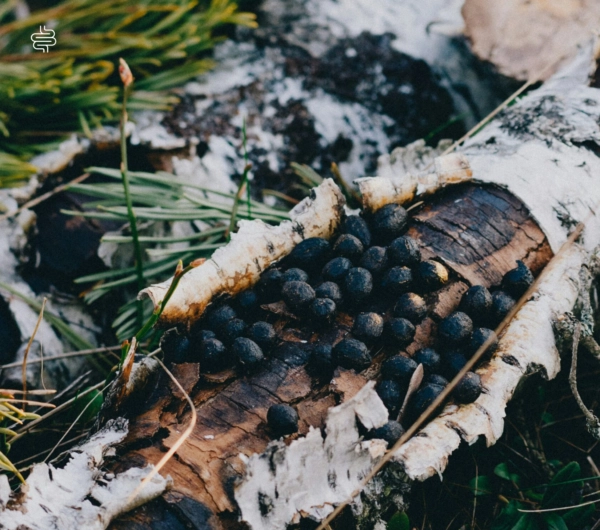
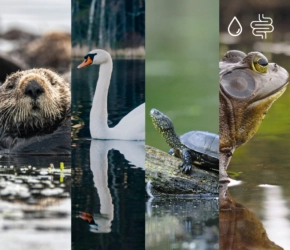
Feces Analysis
Through feces analysis, we can identify species and assess their dietary habits.
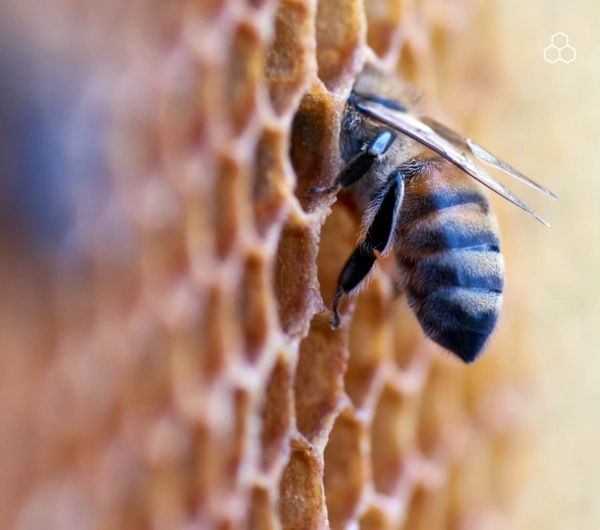
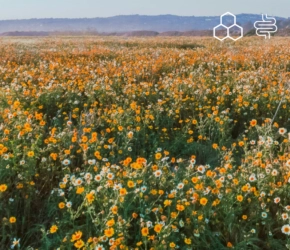
Honey Analysis
Our technologies can be used on honey sampled directly from the hive or after harvest and packaging to identify the plant taxa that were foraged during production.
Field Sampling Methods
Soil Sampling
Soil sampling involves collecting the top layer using a spoon-like tool. Multiple sub-samples are taken from various locations across the study area (up to approximately 1 ha), then mixed together. A fraction of the mixed sub-samples is then placed in the sampling kits we provide.
Water Sampling
Implementing the sampling techniques we developed to study freshwater organisms, we offer biodiversity analyses of terrestrial species.
Faeces and Honey Sampling
We use straightforward sampling techniques.
Honey samples can be shipped directly, while feces can simply be placed in the sampling kits we provide.
Explore Our Discoveries
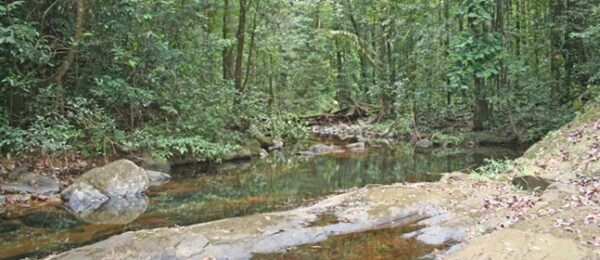
Revealing River Biodiversity Recovery After a Mine Closure
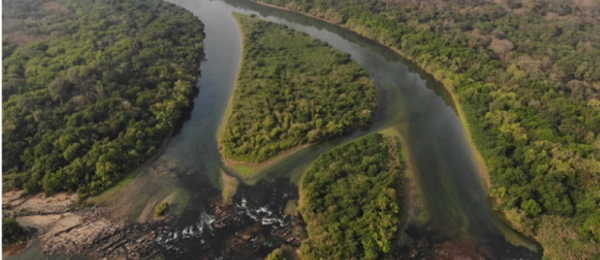
Uncovering the Corubal River (West Africa) as a Unique Biodiversity Hotspot Using a Rapid eDNA Survey
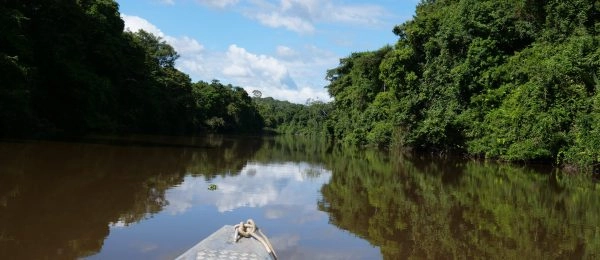
Revealing Shifts in Biodiversity Using Real-Time eDNA Monitoring in French Guiana