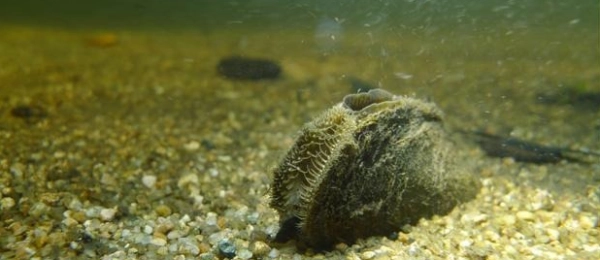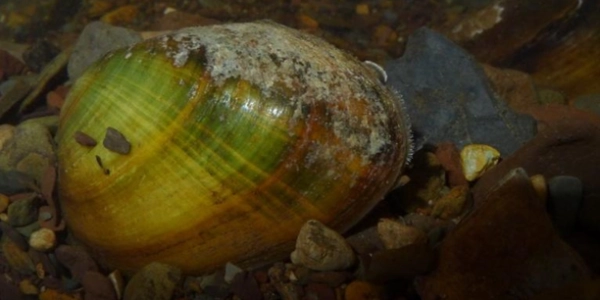
Traditional survey methods often overlook small, rare freshwater animals like mussels because they rely on visual sightings or shell records, which miss hidden, live populations.
Environmental DNA addresses this by detecting genetic traces in water samples, enabling high-sensitivity detection and providing a real-time snapshot of live populations instead of outdated shell data.
Using this method, scientists detected three rare and endangered mussel species in the heart of Paris.
Why this matters?
Accurate detection of small, elusive species is essential for understanding and conserving freshwater ecosystems. Traditional survey methods often miss these species, leading to underestimations of biodiversity and masking signs of environmental degradation.
By using eDNA, scientists can obtain real-time, precise data on species presence and distribution, which is critical for assessing water quality and ecosystem health.
Moreover, early detection of rare or threatened species helps inform targeted conservation efforts and policy decisions, ensuring that the ecosystems supporting these organisms are protected before further decline occurs.
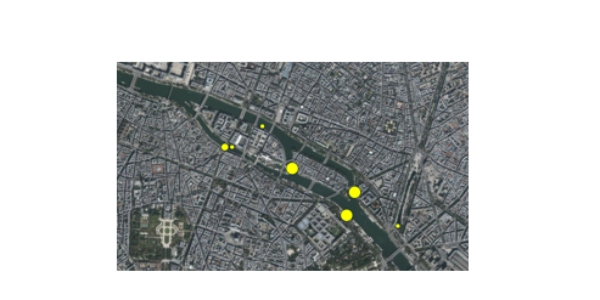
Location: Paris, France.
Ecosystem: Freshwater River.
Depth: Surface Sampling.
Sampling method: The Seine was sampled in 7 locations using 2 peristaltic pumps on each bank.
Taxonomic group: Bivalve mollusks (freshwater mussels), using freshwater mussel primers (Unionoida and Venerida).