Human activities, from industrial waste to deforestation, often leave lasting scars on aquatic ecosystems. Gold mining is no exception, increasing turbidity and harming biodiversity.
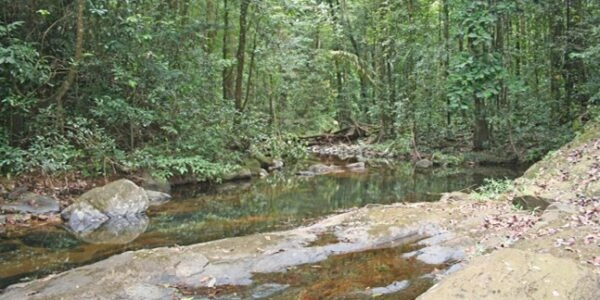
Once heavily impacted, Beiman Creek in French Guiana made a remarkable comeback after mining ceased.
Using eDNA, scientists recorded a sixfold rise in species richness – from 33 in 2017 to 186 in 2021 – highlighting nature’s resilience and the power of eDNA for monitoring recovery.
Why this matters?
Traditional monitoring methods, like electrofishing, struggle in turbid conditions and require more effort, while eDNA offers a rapid, cost-effective alternative with higher detection rates.
By revealing the full extent of Beiman Creek’s revival – including rare and elusive species like jaguars and giant armadillos – eDNA proves invaluable for conservation.
As reference databases expand, the ability to reinterpret past data further enhances its potential, making it a game-changer for environmental monitoring worldwide.

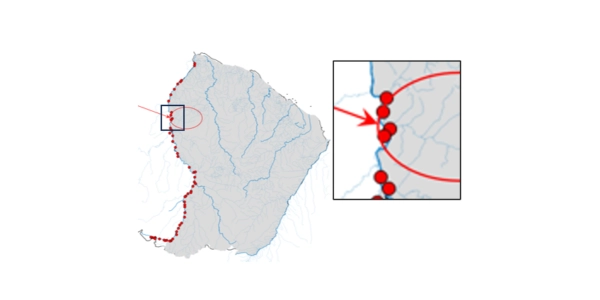
Location: Marony River.
Ecosystem: Freshwater River.
Depth: Surface Sampling.
Sampling method: the site was sampled two times 4 years apart, using 2 peristaltic pumps on each side of a ship (surface); this sampling station was part of a larger inventory of the Marony River.
Taxonomic group: fishes, using teleo primer; mammals and amphibians using Vert01 primers.