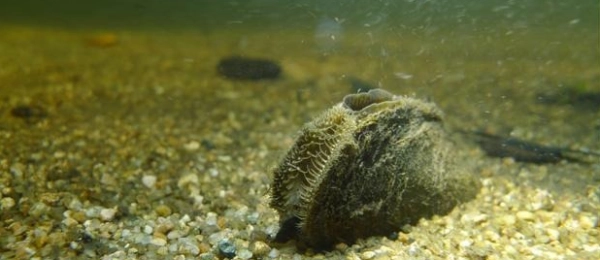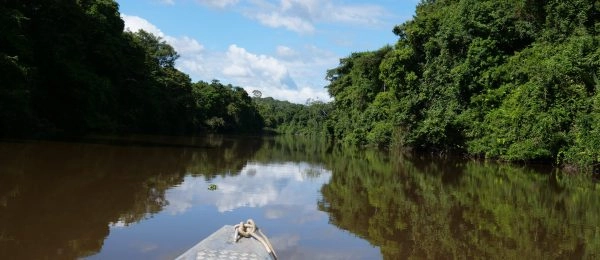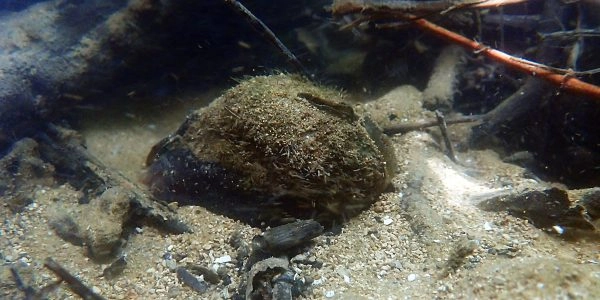
Large-scale eDNA surveys of French rivers revealed the presence of Unio carneus, a freshwater mussel endemic to the Balkan Drin Basin and threatened in its native range.
In France, its distribution largely overlaps with the introduced Albanian Roach Pachychilon pictum suggesting introduction via parasitic larvae, though detections beyond the fish’s known range point to possible alternative hosts and local adaptation.
The French population shows low genetic diversity, and currently appears weakly invasive, illustrating both the power of eDNA to detect overlooked introductions and the conservation paradox of species that are threatened at home but potentially invasive elsewhere.
Why this matters?
SPYGEN’s standards are designed not only to detect what is already visible, but to reveal what remains ecologically invisible: rare species, silent introductions, and weak signals below the detection threshold of conventional methods. This allows us to see today what other approaches may only detect in 10 years, when it could already be too late.
For Unio carneus, continued monitoring is required to assess whether the species will expand, persist locally, or eventually decline.
Freshwater ecosystems are under intense anthropogenic pressure, and freshwater mussels (Unionida) rank among the most threatened taxonomic groups worldwide. In Europe, the situation is particularly critical, with all 25 described Unionida species classified as threatened or near-threatened, mainly due to river mismanagement, climate change, and introduced species.
Results were published and can be accessed here.
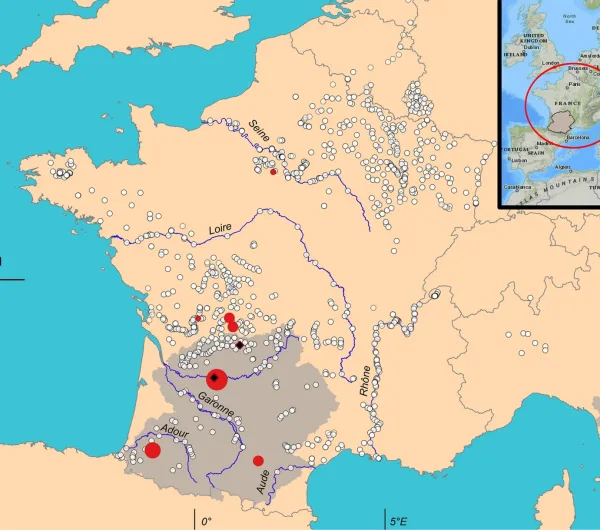
Location: Canal du Midi, Couze, Laâ, Charente, Aixette, Glanet, and Rémarde Rivers (France).
eDNA Sampling method: 2 replicates of 30 liters each were filtered per site using a 45 µm crossflow filtration capsule.
Taxonomic group: Bivalve mollusks (freshwater mussels), using freshwater mussel primers (Unionoida and Venerida).