Biological Groups & Organisms

Our Offer
Single-Species Detection
Efficiently confirm the presence of a specific species with SPYGEN’s advanced targeted eDNA single-species analysis.
This specific approach sharpens the detection of rare or elusive aquatic species, offering a cost-effective solution by focusing on a single target species.
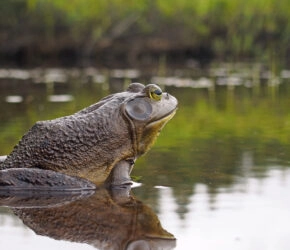
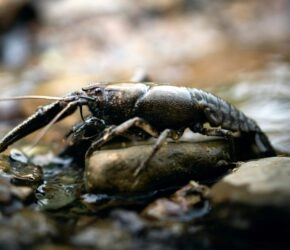
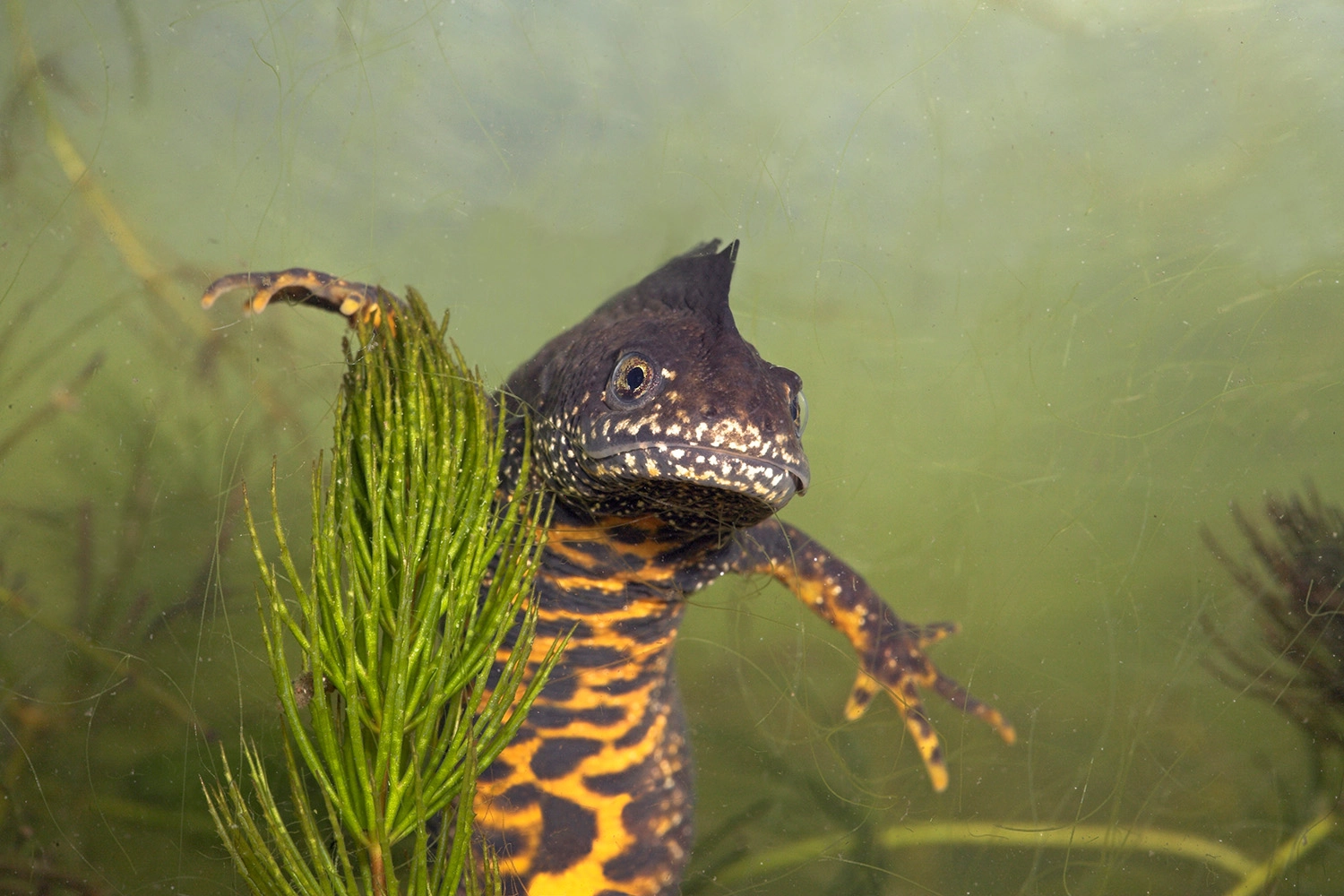
- Discover the full range of species available for targeted single-species analysis detection with SPYGEN’s technology: Aphanomyces astaci | Austropotamobius pallipes | Batrachochytrium salamandrivorans | Emys orbicularis | Lithobates catesbeianus | Misgurnus fossilis | Pelobates fuscus | Procambarus clarkii | Ranavirus | Triturus carnifex | Triturus cristatus | Triturus marmoratus | Xenopus laevis | Zingel asper | Neomys fodiens
Comprehensive Biodiversity Inventory
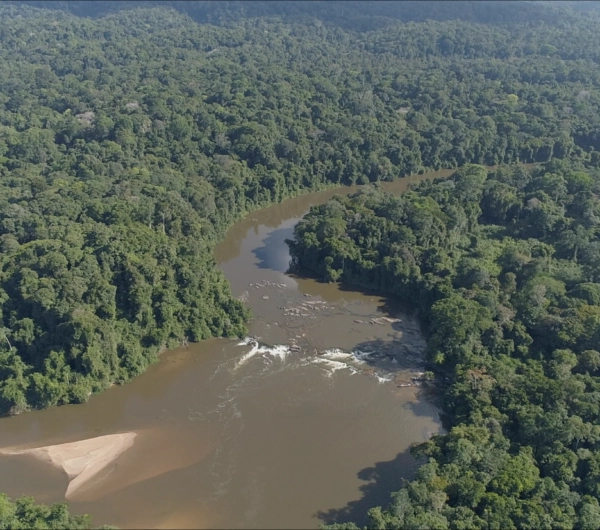
Unlock a complete view of biodiversity with SPYGEN’s cutting-edge eDNA metabarcoding approach. Our biodiversity inventories are the most robust and exhaustive on the market, supported by one of the largest private reference database available in the industry.
Ideal for monitoring key taxonomic groups in freshwater ecosystems, this powerful solution identifies all species within a target group – including rare species, elusive and emerging invasive species – providing an essential tool for effective ecosystem assessment, conservation, research and impact reporting.
Rare Species Detection
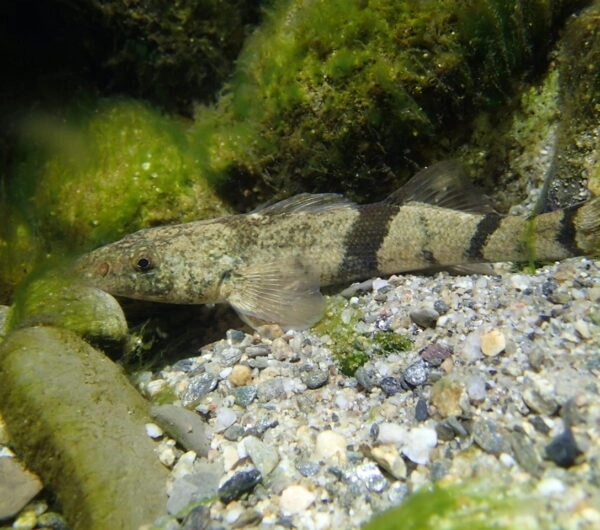
SPYGEN’s multi-patented eDNA technology aims to set the standard for detecting a wide range of species, including the rarest ones. While most companies focus on common eDNA for abundant species monitoring, SPYGEN has pioneered precision eDNA from the start.
This specialized approach demands rigorous technical protocols both in the field and in the lab. Thanks to our advanced methodology and state-of-the-art technology, SPYGEN is a global leader in rare species eDNA detection.
Invasive Species Detection
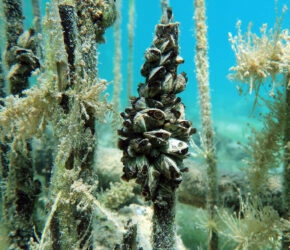
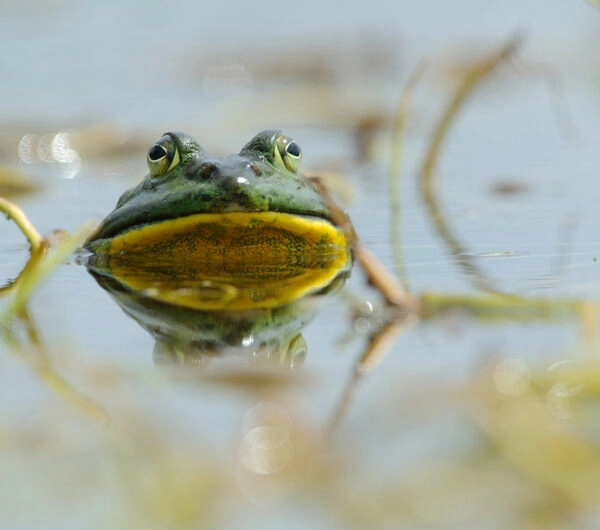
eDNA technology significantly enhances the early detection of invasive species. Compared to traditional methods, eDNA can identify invasive individuals across more sites at a lower cost.
This early detection capability allows fast corrective action and hence helps mitigate potential ecological damage, as invasive species can quickly disrupt habitats and displace native species. eDNA-powered monitoring programs provide early detection of invasive species and hence enable faster and more effective responses to manage and even, in some cases, prevent invasions.
Pathogen Surveillance
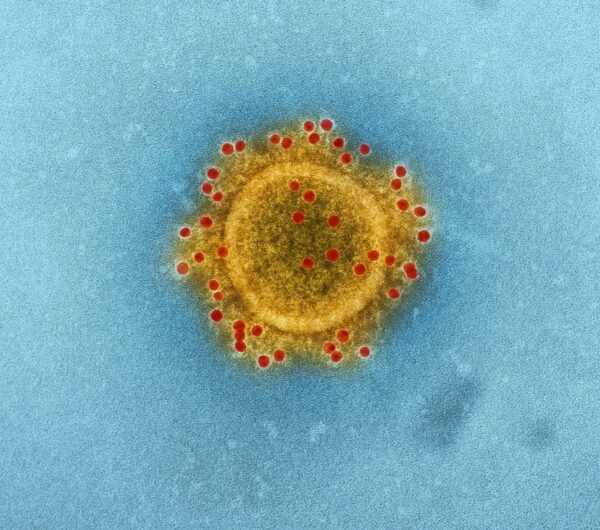
SPYGEN’s eDNA technology specializes in detecting specific animal pathogens. Our targeted analysis includes three amphibian pathogens and one crayfish pathogen. With eDNA-powered surveillance, response measures can be initiated swiftly to contain pathogens before they impact sensitive species, contributing to more effective ecosystem management.
Field Sampling Methods
Overview of Freshwater Environment Field Sampling Methods
The sampling protocol is a vital part of the eDNA analysis process. An effectively designed protocol greatly enhances the quantity of eDNA collected from the environment, resulting in more precise results.
In freshwater settings such as rivers (flowing waters), we conduct 2 sample replicates at each location, and in each replicate, we filter 30 liters of water. Sampling stations are established every 1 to 5 kilometers to ensure precise biodiversity assessments. In stagnant water environments, we recommend completing transects as close to the banks as possible, covering the entire perimeter.
Depending on the targeted taxonomic groups, we will help you define the best period to sample, according to reproduction periods and/or periods of high activity.
We are ready to assist you in creating the right protocol for your project, factoring in potential constraints and environmental specificities while keeping an eye on your final objectives. Please do not hesitate to contact us for guidance.
Field Sampling in Flowing Waters – Rivers:
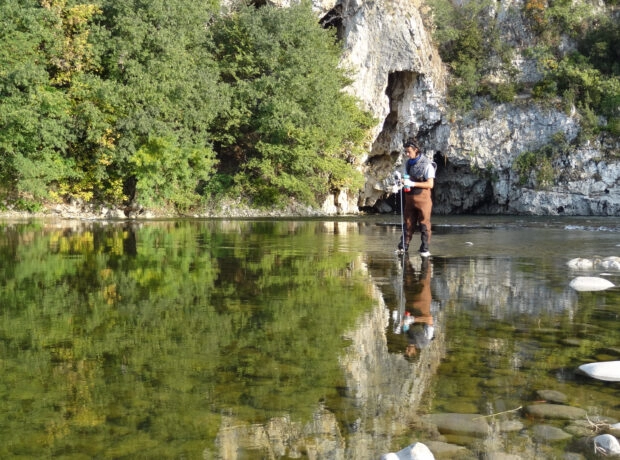
Sampling may be conducted using a boat or on foot, depending on the size of the watercourse.
The process involves back-and-forth sampling from bank to bank, filtering facing the current. The sampling stations must be carefully determined according to the river size and aquatic currents.
Sampling may also be conducted along the banks using a pole if a boat is not available or walking in the watercourse is not feasible.
Field Sampling in Large Stagnant Environments:
Sampling may be conducted from a boat moving slowly along the banks, completing transects, while staying as close to the banks as possible. All banks must be covered, and a new filter is used for each 1 to 3 km transect.
Field Sampling in Small Stagnant Environments:
Sampling is conducted directly from the banks using our inovative filters, with samples well-distributed across the area, prioritizing habitats favorable to the target species. The sampling devices and protocols may vary according to the species of interest and the research question.