Biological Groups & Organisms



Our Offer
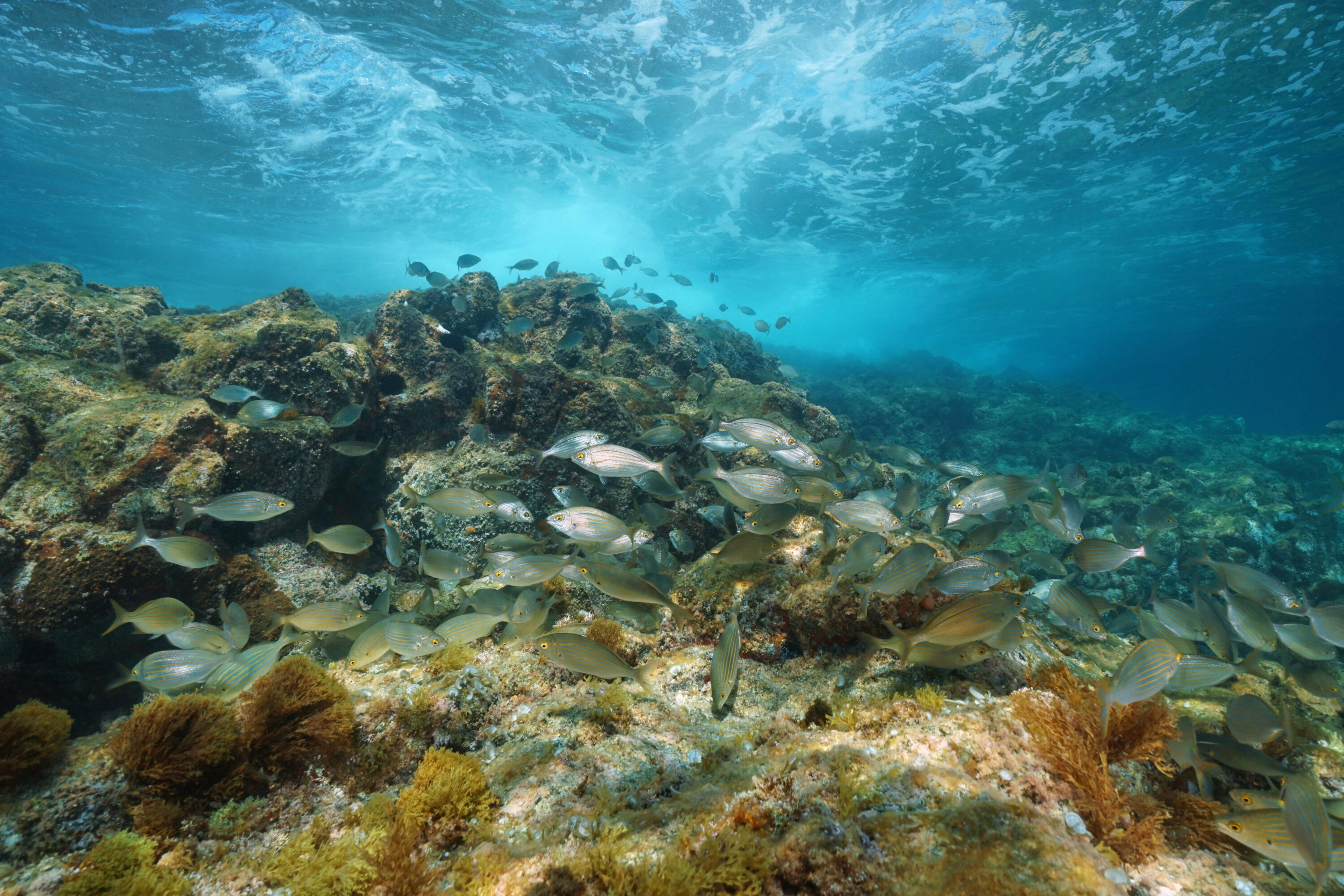
Comprehensive Biodiversity Inventory
Unlock a complete view of biodiversity with SPYGEN’s cutting-edge eDNA metabarcoding approach. Our biodiversity inventories are the most robust and exhaustive on the market, supported by one of the largest private reference database available in the industry.
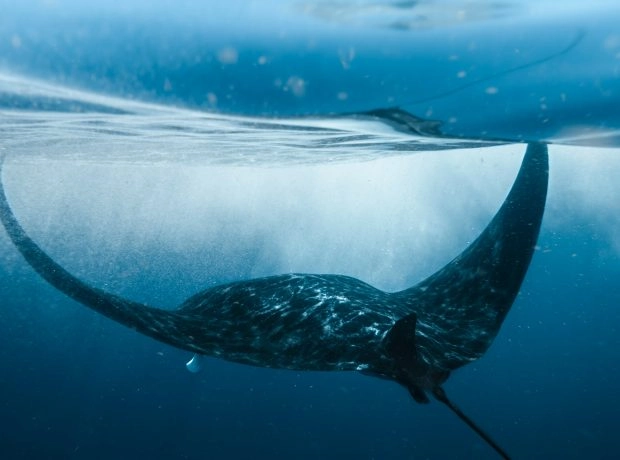
Ideal for monitoring key taxonomic groups in marine ecosystems, this powerful solution identifies all species within a target group – including rare species, elusive and emerging invasive species – providing an essential tool for effective ecosystem assessment, conservation, research and impact reporting.
Since almost a decade, we have successfully analyzed eDNA samples from thousands of locations spanning all the world’s marine ecosystems, including mangrove forests, coral reefs, lagoons, estuaries, seagrass meadows, and the largest of all, the deep-sea.
Rare Species Detection
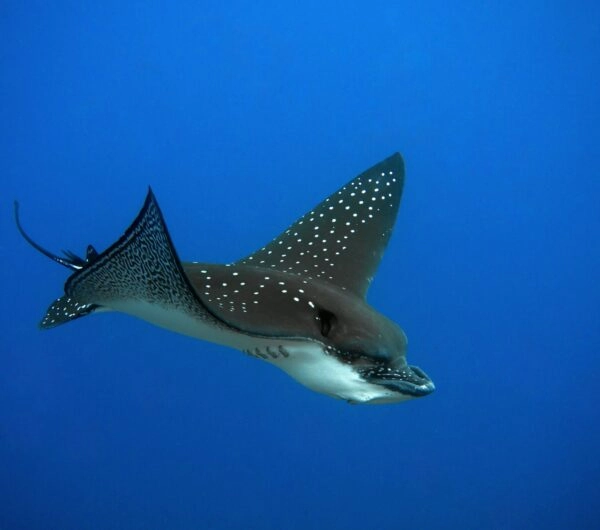
SPYGEN’s multi-patented eDNA technology aims to set the standard for detecting a wide range of species, including the rarest ones. While most companies focus on common eDNA for abundant species monitoring, SPYGEN has pioneered precision eDNA from the start.
This specialized approach demands rigorous technical protocols both in the field and in the lab. Thanks to our advanced methodology and state-of-the-art technology, SPYGEN is a global leader in rare species eDNA detection.
Invasive Species Detection
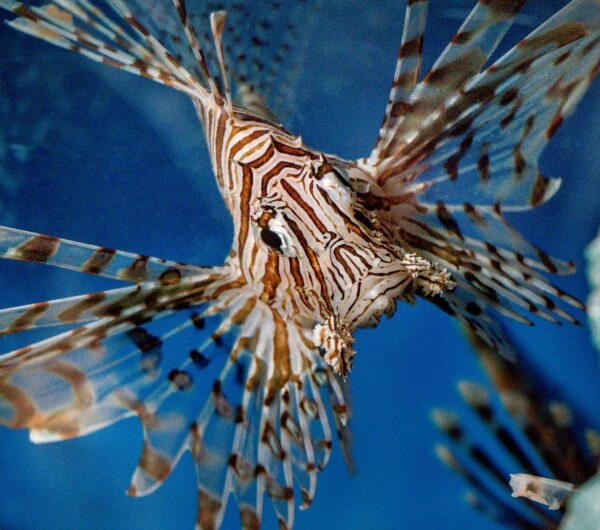
eDNA technology significantly enhances the early detection of invasive species. Compared to traditional methods, eDNA can identify invasive individuals across more sites at a lower cost.
This early detection capability allows fast corrective action and hence helps mitigate potential ecological damage, as invasive species can quickly disrupt habitats and displace native species. eDNA-powered monitoring programs provide early detection of invasive species and hence enable faster and more effective responses to manage and even, in some cases, prevent invasions.
Next-Generation Marine eDNA Monitoring
SPYGEN & University of Montpellier Invest €1.3M
SPYGEN is participating in a 4-year Industrial Chair awarded by the French National Research Agency following a highly competitive selection process. This Chair is conducted in partnership with the University of Montpellier (MARBEC and CEFE) and focuses on the development of next-generation solutions for marine biodiversity monitoring based on eDNA.
With a total investment of €1.3 million, the Chair aims to combine molecular ecology, artificial intelligence, advanced robotics, and satellite data to enhance the monitoring of marine ecosystems, by relying on more comprehensive biodiversity inventories, more relevant ecological indicators, and more robust environmental modelling. As a pioneer in eDNA technologies, SPYGEN plays a central role by driving technological innovation, developing operational tools, and translating scientific advances into solutions tailored to marine stakeholders, including marine protected areas, offshore infrastructures, ports and marine resource managers.
More information available on the ANR website.
Field Sampling Methods
Overview of Marine Environment Field Sampling Methods
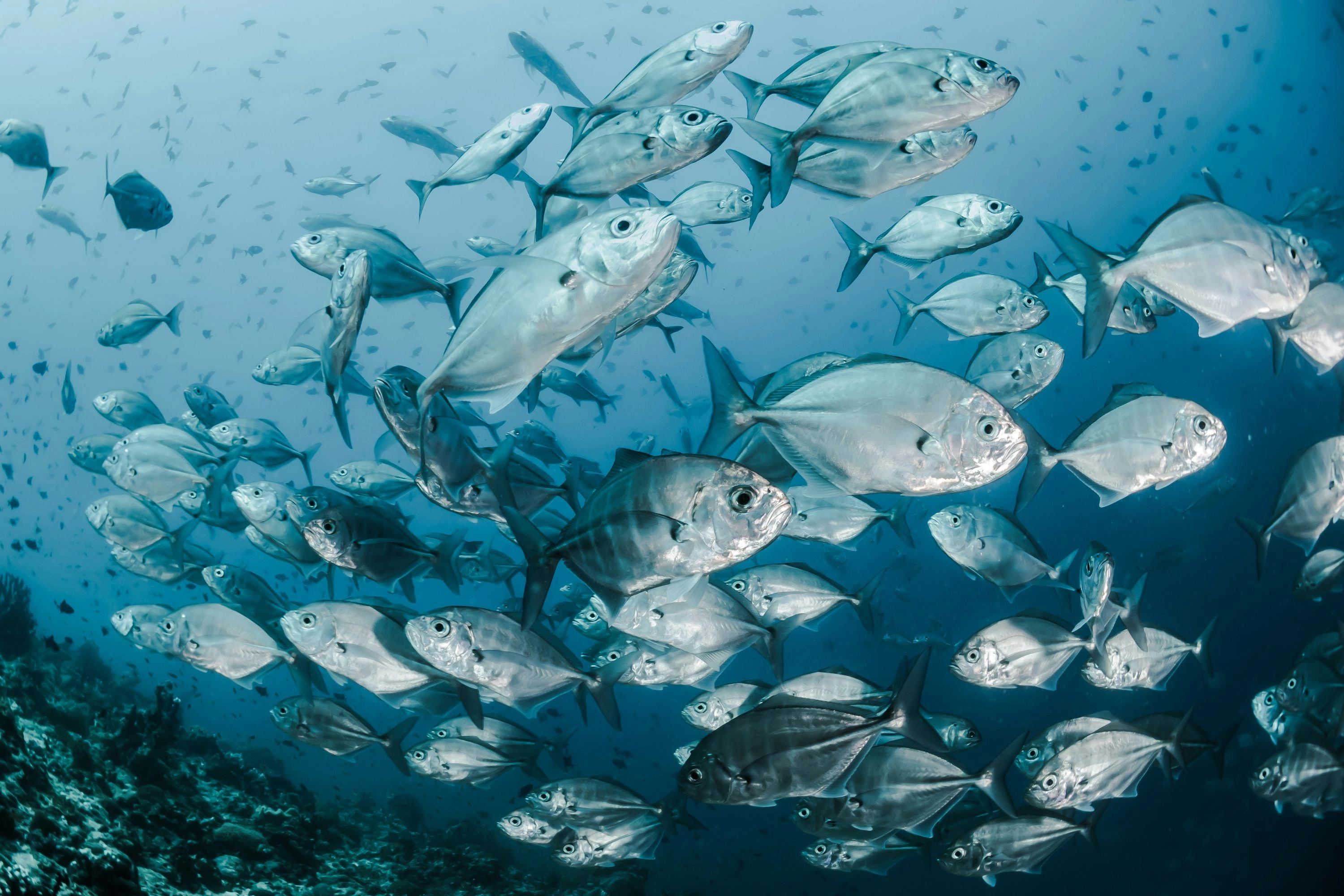
The sampling protocol is a vital part of the eDNA analysis process. An effectively designed protocol greatly enhances the quantity of eDNA collected from the environment, resulting in more precise results.
In aquatic settings, we always conduct 2 sample replicates at each location, and particularly in marine contexts, in each replicate we filter 30 liters of water in coastal areas and 60 liters in offshore areas, with sampling stations typically established every 2 to 5 kilometers (depending on various environmental conditions) to ensure accurate biodiversity assessments.
We are ready to assist you in creating the right protocol for your project, factoring in potential constraints and environmental specificities while keeping an eye on your final objectives. Please do not hesitate to contact us for guidance.
Field Sampling in Coastal Marine Environments
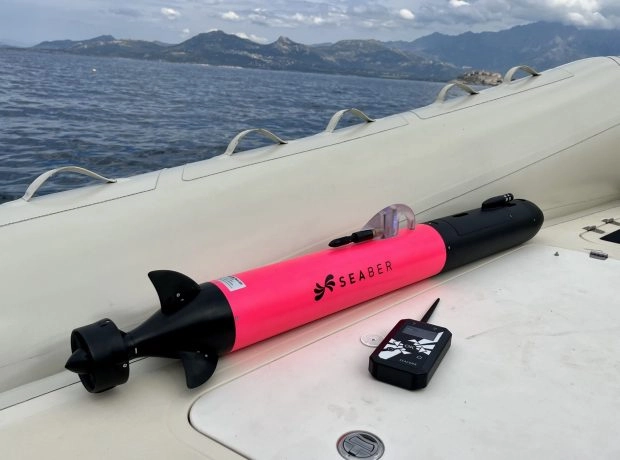
In shallower areas, we utilize a surface water collection pump while moving parallel to the coast at a slow speed in a boat. For areas deeper than 20 meters, SPYGEN’s protocol involves using a deep-water collection pump or our micro-AUV for transects covering various habitats. The protocol must be adapted to the specificities of the environment, including maritime currents and targeted species.
Field Sampling in Offshore Marine Environments
Depending on the objectives of the analysis, sampling may involve filtering 60 liters of seawater along zigzag transects approximately 2 to 5 kilometers in length, at both surface and deeper levels. Surface transects are conducted using a surface water collection pump from a boat moving slowly. Deep transects, close to the seafloor, utilize either our micro-AUV or a deep-water collection pump.
Field Sampling in Port Environments
Depending on the size of the site, sampling may be conducted through surface transects using a surface water collection pump from a slow-moving boat or, in very small areas that are accessible on foot, static sampling can be performed from the docks.