01 — Reveal What Others Miss
Traditional methods depend on visibility, accessibility, and observer expertise. eDNA removes these constraints, detecting species through the genetic traces they leave behind, enabling the mapping of the entire tree of life, from bacteria to large mammals, using a single sample, without the need for taxonomic expertise (multi-taxa approach).
Freshwater Use Case
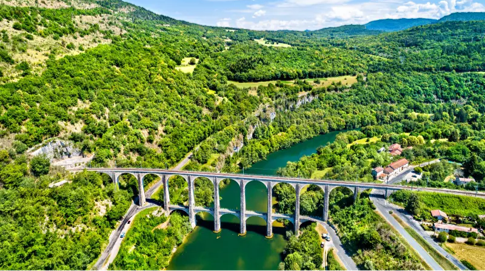
Across 3 French rivers, eDNA detected up to 89% more fish species than traditional methods from the same sites.
Marine Use Case
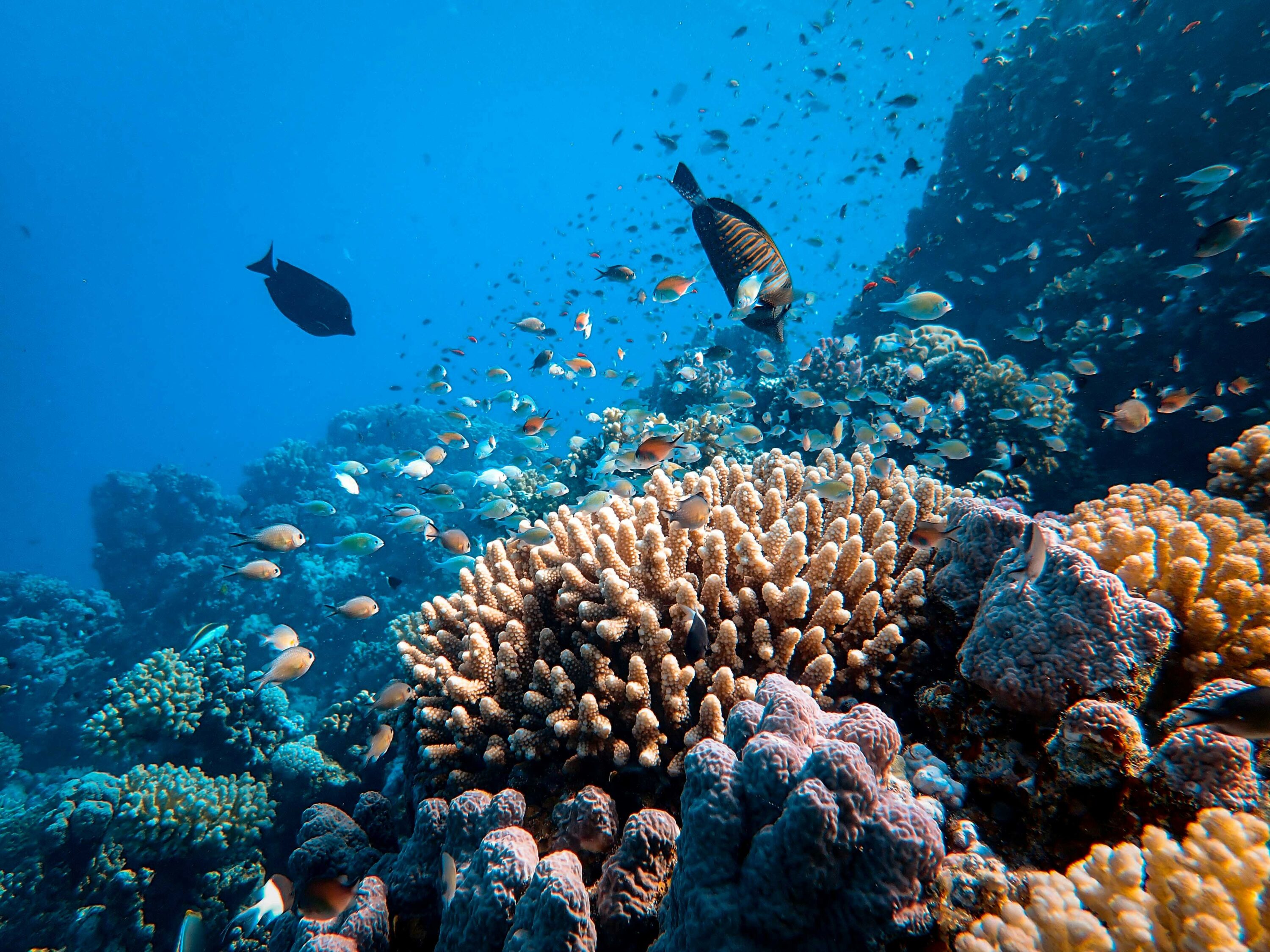
eDNA detected 16% more fish taxa than visual surveys on coral reefs, revealing critical insights into these ecosystems.
02 — Ensure Low-Abundance Species Are Not Overlooked
Rare and threatened species are the hardest to find, yet the most critical to identify. Spygen’s protocols are designed to detect even the lowest signals.
Freshwater Use Case
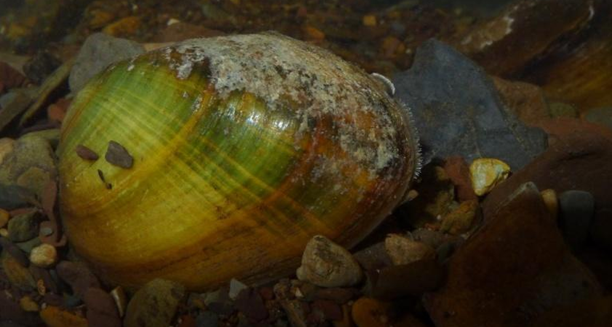
In the heart of Paris, eDNA detected 3 rare and endangered freshwater mussel species, invisible to traditional shell-based surveys.
Marine Use Case
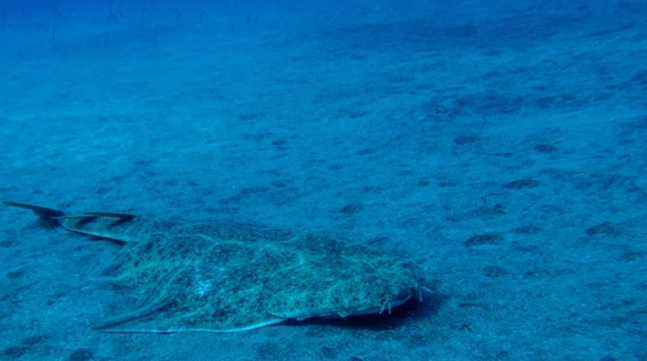
eDNA located the critically endangered angel shark (Squatina squatina) in Corsica, a species that was once believed to be extinct.
03 — Detect Change, Act Sooner
Understanding biodiversity means tracking change over time. With SPYGEN’s robust eDNA protocols, subtle ecological shifts become visible early, providing the insights needed to act before it’s too late.
Freshwater Use Case
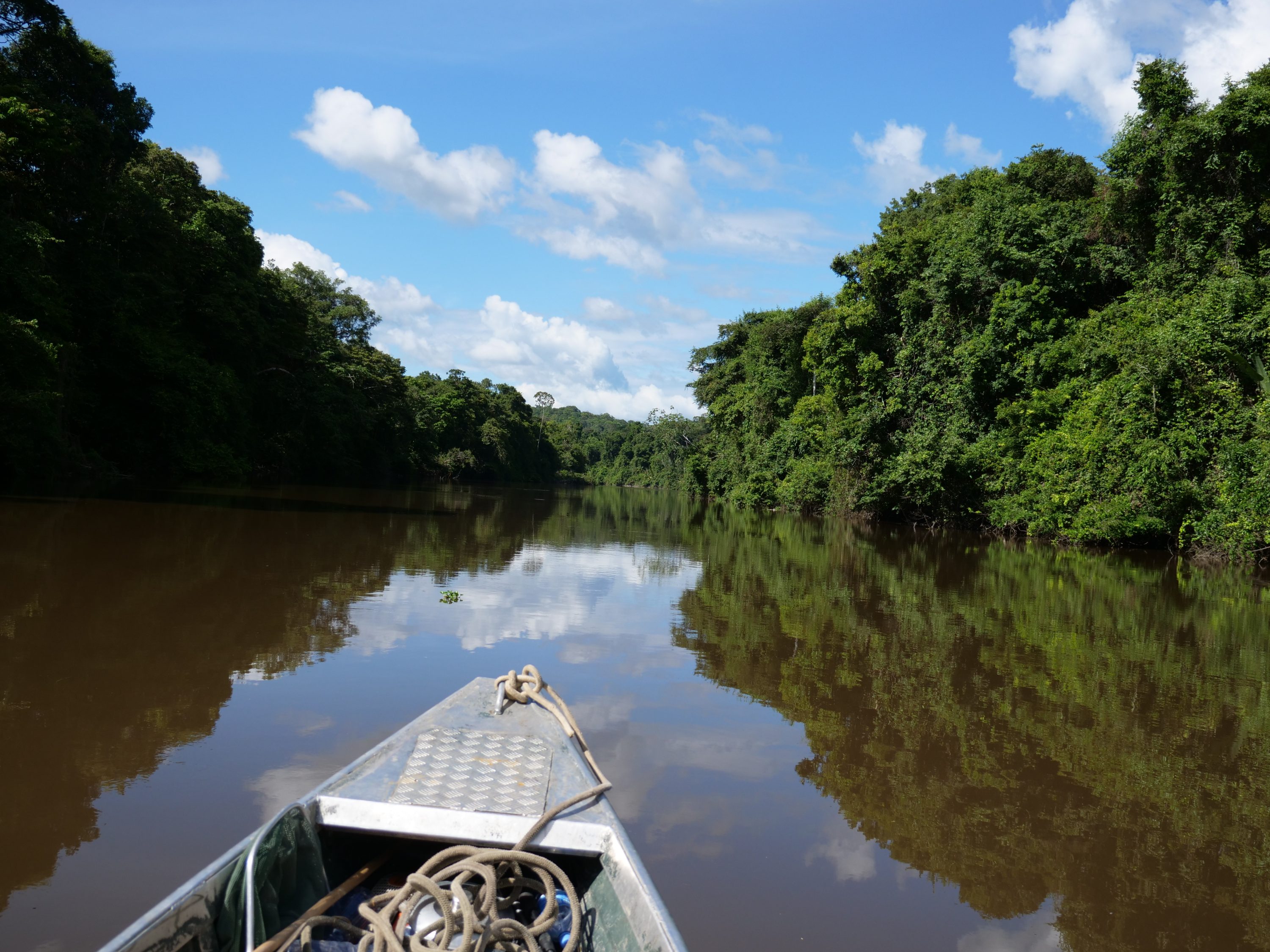
On the Maroni River, eDNA revealed that deforestation was driving losses in functional diversity and ecological redundancy, the early warning signals of ecosystem degradation.
Marine Use Case
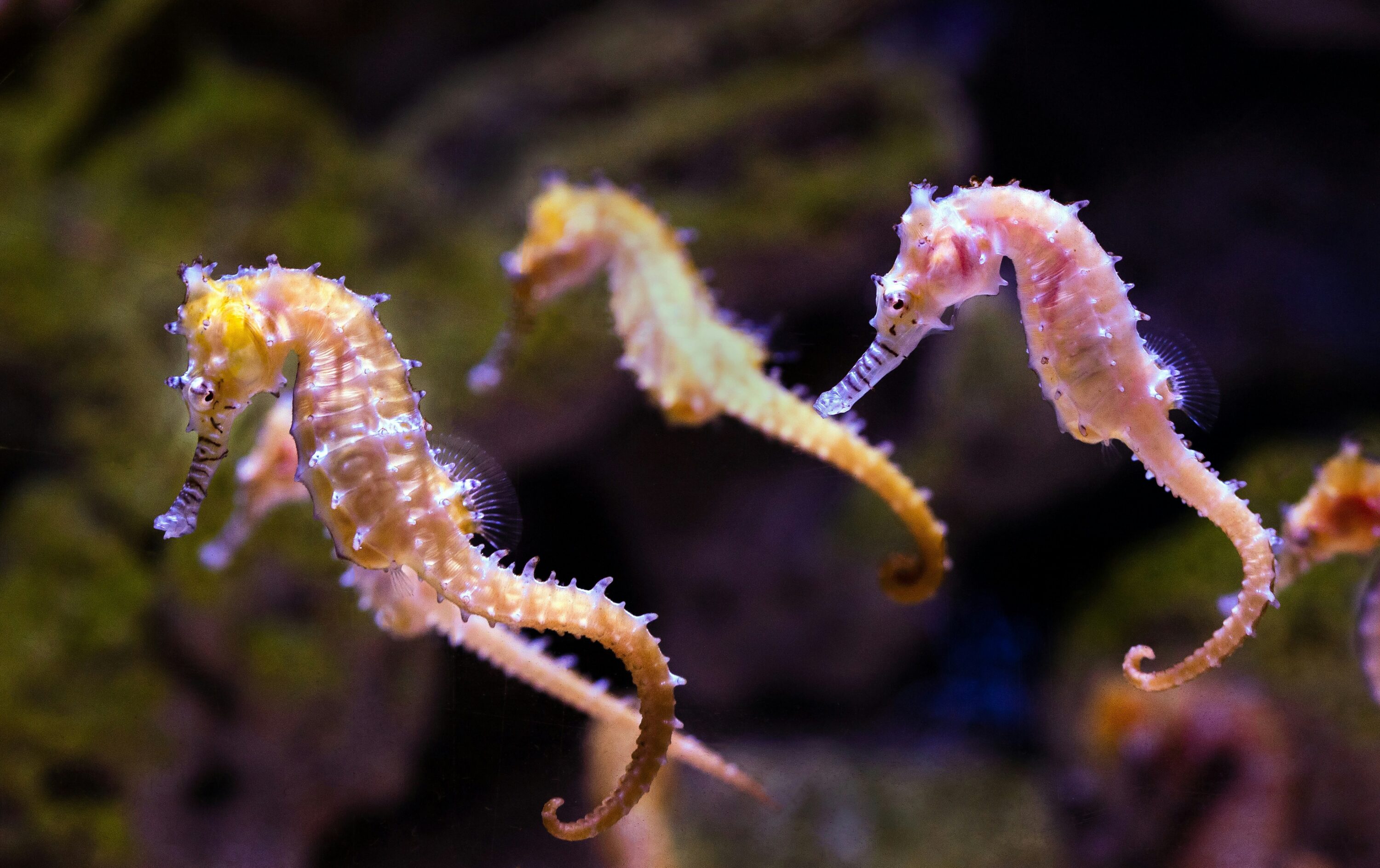
A Mediterranean study found 3 eDNA indicators more sensitive to ecosystem shifts than traditional species richness — functional diversity, phylogenetic diversity, and the demerso-pelagic to benthic ratio.
04 — Go Where Others Can’t
eDNA requires no capture, handling, or disturbance. It enables reliable monitoring where traditional methods are limited, or not permitted.
Freshwater Use Case
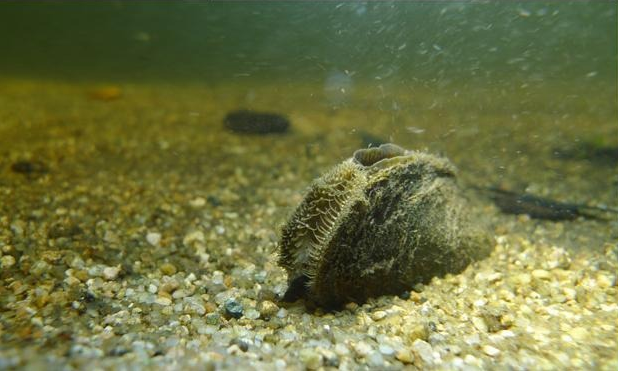
The new French eDNA Mussel Distribution Atlas has the advantage of being based on live mussel populations, whereas traditional surveys combine data from both live individuals and shells, often resulting in overly optimistic distribution maps and misleading assessments of population trends.
Marine Use Case
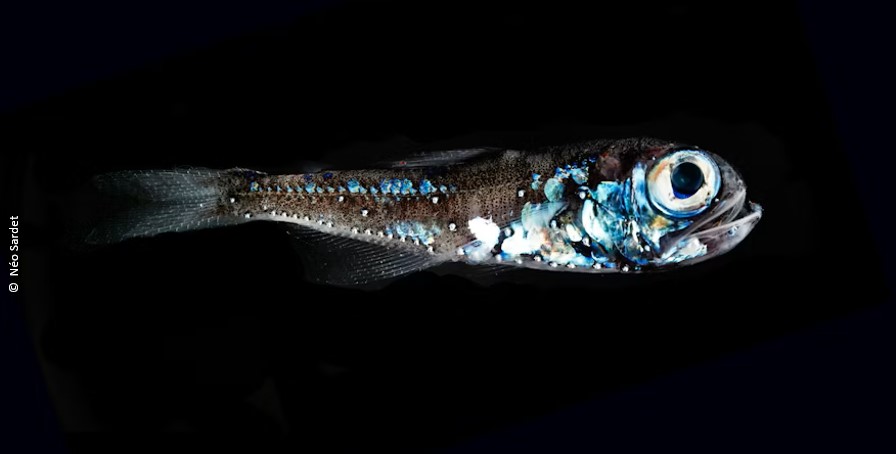
In complex environments such as canyons and outer slopes, where diving, trawling, or other approaches are impracticable, unsuitable, or constrained by regulation, Spygen’s eDNA-collecting AUV offers an alternative.
05 — Monitor at the Right Ecological Scale
Traditional methods struggle to cover large or complex areas efficiently. eDNA provides high-resolution, standardised data across vast spatial scales, with unmatched efficiency and fewer resources. When you factor in time, logistics, and data quality, eDNA becomes the smarter, more efficient choice.
Freshwater Use Case
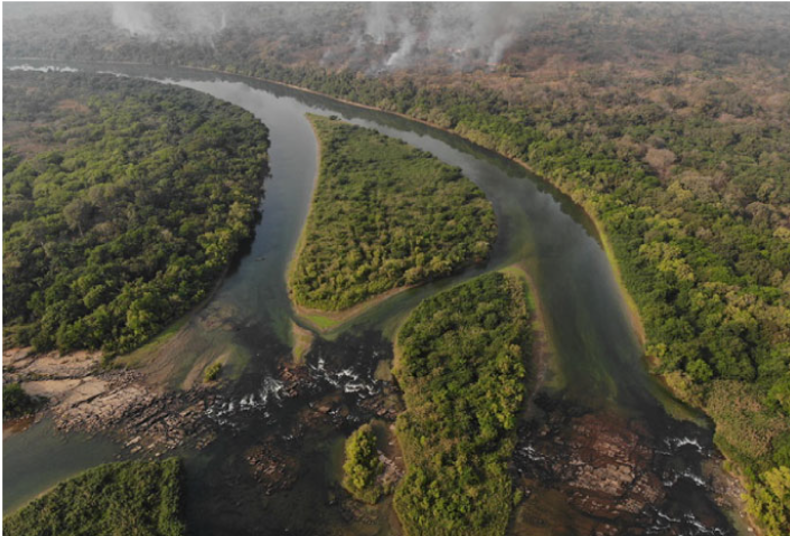
In Guinea-Bissau, a rapid eDNA survey of the Corubal River detected 125 vertebrate species including 21 new country records and 11 imperilled species from just 11 sites.
Marine Use Case
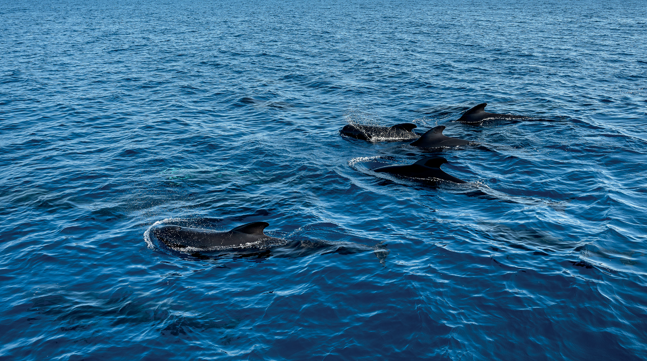
The BioDivMed mission used eDNA to comprehensively assess all French Mediterranean coastal waters in just 2 months, providing an unprecedented snapshot of Mediterranean biodiversity.